


The first card market strips away the complexity of totals and booking points, reducing card betting to its most elemental form. Which team will have a player booked first? It’s a question that sounds simple until you realise how many variables influence those crucial opening minutes. Unlike markets that depend on 90 minutes of accumulation, first card betting often settles within the first quarter of a match, making it simultaneously exciting and terrifyingly random for the unprepared.
Most bookmakers offer this market in three-way format: Team A to receive first card, Team B to receive first card, or no card shown. The “no card” option typically carries astronomical odds, sometimes 14/1 or higher, reflecting the statistical rarity of completely clean matches. Between the two teams, odds hover near evens unless clear tactical or stylistic differences suggest one side will foul first more frequently than the other. The market efficiency here is actually quite poor compared to totals, because bookmakers devote less attention to refining first card lines than they do to primary markets.
The appeal of first card betting extends beyond potential profitability. These bets resolve quickly, often within 20 minutes of kickoff, providing near-instant gratification or disappointment. For bettors who struggle with the patience required for full-match markets, first card offers a compressed experience. It also pairs naturally with other early-settling markets in bet builders, though correlation concerns mean bookmakers adjust odds when you combine first card with related selections like total cards or first goalscorer.
Understanding What Drives Early Cards
Opening bookings don’t occur randomly, they emerge from specific match dynamics that establish themselves in the first few minutes. Teams that press aggressively from kickoff commit more early fouls because pressing involves calculated risks that sometimes result in mistimed challenges. When Liverpool or Manchester City face deep-defending opponents, watch those first pressing waves carefully. Defensive midfielders recovering possession often catch attackers late as transitions accelerate beyond comfortable speed.
The away team receives the first card more often than home sides in most leagues, a pattern that holds across different countries and competition levels. This isn’t coincidence; it reflects the psychological and tactical realities of playing away from home. Visitors often sit deeper initially, reacting to pressure rather than creating it, which means their challenges tend to be reactive rather than proactive. Reactive challenges carry higher booking risk because they’re often desperate attempts to halt attacks rather than controlled ball-winning. Additionally, referees face subtle crowd pressure that might unconsciously favour home players in 50-50 decisions.

Referee tendencies matter for first card timing even more than for total cards. Some officials let early challenges slide while they “get a feel for the match,” saving their cards for after the 15-minute mark. Others book the first cynical foul they witness, establishing authority immediately. Tracking not just how many cards a referee shows but when they typically show the first one provides valuable insight. A referee who averages 18 minutes to first card offers very different first card betting dynamics than one who averages 8 minutes.
Tactical Matchups That Predict First Bookings
Certain tactical matchups reliably produce first bookings for specific teams. When a counter-attacking side faces possession specialists, the countering team often fouls first because they’re the ones making recovery challenges after losing the ball. Their strategy depends on quick transitions, and when those transitions fail, a tactical foul to prevent the counter-counter becomes necessary. Betting on the counter-attacking team to receive the first card in these matchups often provides value.
Full-back versus winger battles generate a disproportionate share of first bookings. Attackers running at defenders create situations where mistimed tackles occur, and full-backs tasked with one-on-one defensive duties rarely complete 90 minutes without at least one booking. If you know a team deploys overlapping full-backs against quick wingers, those full-backs become prime candidates for the first card. The early exchanges set the tone; a winger who beats their full-back twice in the first ten minutes often draws a frustrated challenge soon after.
Defensive midfielders occupy the most card-prone position in football, and their early involvement in games makes them first card candidates worth considering. Players tasked with breaking up attacks, screening the defence, and initiating transitions operate in the zones where fouls happen most frequently. When identifying potential first card recipients, start with the number sixes on both teams and work outward. Their season-long card counts, adjusted for minutes played, give you a baseline for their booking probability.
Time of First Card Markets
Beyond which team receives the first card, many bookmakers offer markets on when the first card will arrive. Typical offerings include over/under lines around 30-35 minutes, though this varies by bookmaker and specific fixture. These markets reward understanding of both how cards get produced and when referees typically reach for them.
Early cards correlate with aggressive starts, usually occurring when one or both teams press high immediately. Matches where both managers have spoken about “starting fast” or “establishing control early” tend to produce first cards before the 20-minute mark. Conversely, cagey affairs between tactical teams often see the first card delayed as both sides feel each other out without committing many fouls. Cup matches where both teams fear early elimination can go surprisingly long without bookings as players prioritise staying on the pitch.
The referee’s approach to early cards varies systematically in ways you can anticipate. Officials who emphasise “letting the game flow” typically delay first cards because they issue verbal warnings instead of reaching for their notebook on early infractions. Those known for “setting the standard early” will book the first clear foul, often within the first 10-15 minutes. Referee data should include time-to-first-card averages, not just total card counts, because the two metrics measure different officiating philosophies.
Building Your First Card Framework
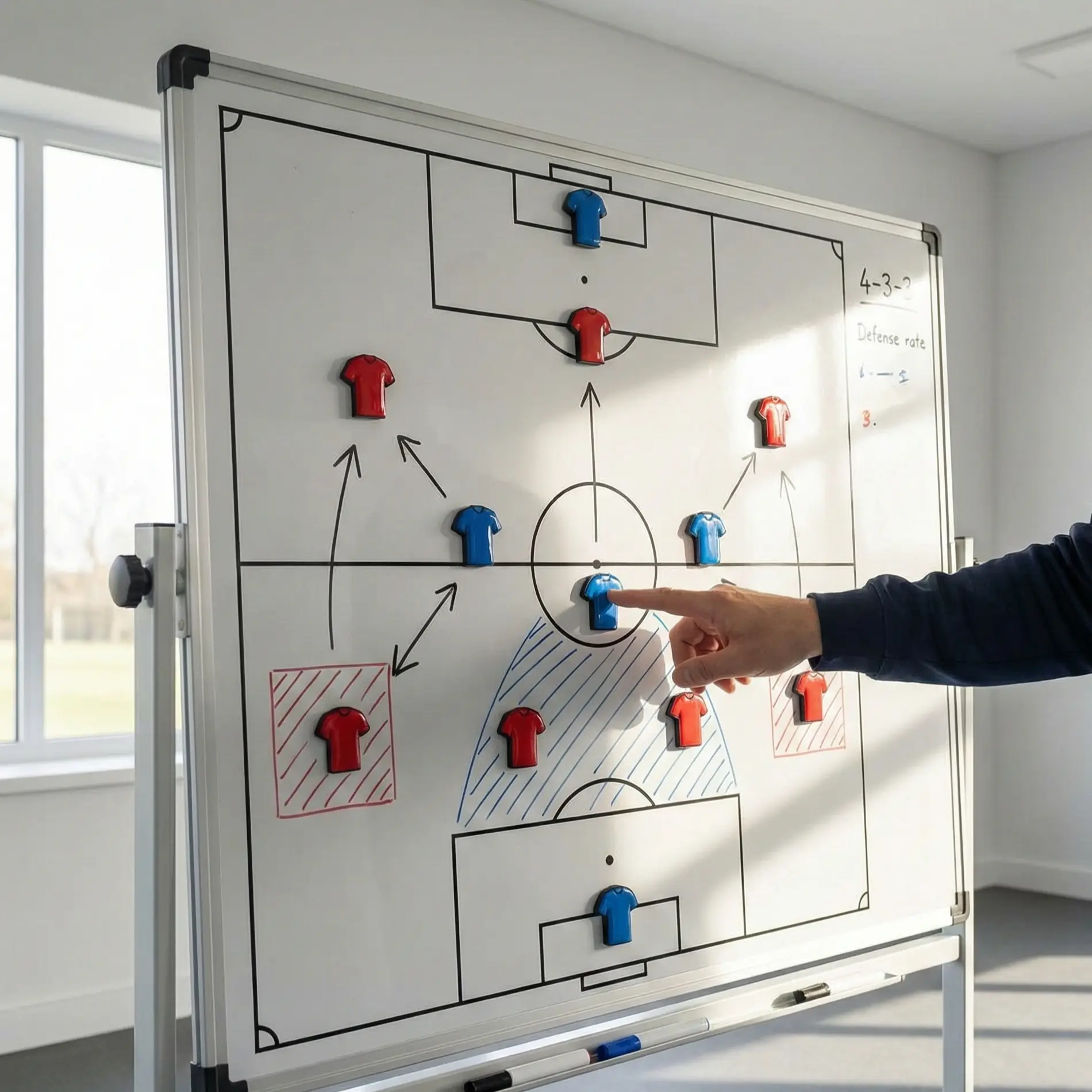
A workable first card strategy combines team-level analysis with match-specific context. Start by identifying which team is more likely to be defending in the opening exchanges, because defenders make the majority of bookable challenges. The away team often falls into this category by default, but tactical mismatches can reverse the usual pattern. When a relegation-threatened home side faces a top-four visitor, the home team might spend the opening period under siege despite technically having home advantage.
Player absences affect first card probabilities more dramatically than they affect total cards. If a team’s most card-prone midfielder is suspended, their first card probability drops meaningfully because the replacement likely has different disciplinary tendencies. Similarly, if a key winger is injured and replaced by a less threatening alternative, the opposing full-back faces less defensive stress and fewer situations that produce bookings. Squad news should inform your first card analysis even when it wouldn’t move your total cards assessment.
Historical head-to-head data carries some predictive value for first card markets, particularly in rivalry fixtures. Some matchups consistently see the same team booked first due to entrenched tactical dynamics that persist across seasons. Perhaps one team always starts aggressively against a particular opponent, or perhaps their defensive approach against that specific opponent generates early fouls. Check which team received the first card in recent meetings, then assess whether the factors that drove that pattern remain in place.
Track the seasonal card patterns.
Value Identification and Common Mistakes
The most common mistake in first card betting involves overweighting individual player reputations. Just because a player has accumulated 8 yellows this season doesn’t mean they’re more likely to receive the first card in any given match. Those 8 yellows might have arrived in the second half, after substitutes entered, or in specific match contexts that don’t apply to upcoming fixtures. Raw card counts tell you about overall disciplinary tendencies; they say little about first card probability specifically.
Value often appears when public perception diverges from tactical reality. Derby matches draw significant betting interest, with casual bettors assuming these fixtures will produce immediate fireworks. Sometimes that expectation is priced into first card lines so heavily that the market overshoots, creating value on later first cards or on the “cooler” team receiving it first. The tribe backing whoever wears the angrier colours doesn’t always get the odds they deserve.
Line shopping matters less for first card than for total cards because the three-way nature of the market limits how much odds can vary. Still, checking multiple bookmakers reveals occasional discrepancies worth exploiting. Asian bookmakers sometimes offer first card handicaps, though this market remains niche compared to total card handicaps. Where available, these handicap options let you express views about the gap between teams’ first card probabilities rather than just picking a winner.
Patience serves first card betting well despite the quick resolution these bets offer. Forcing selections on every match leads to backing positions without genuine edge, and the accumulating losses from marginal selections eat into profits from strong ones. Wait for fixtures where your framework confidently identifies one team as substantially more likely to be booked first, then size your stake accordingly. Three strong first card bets per week beats fifteen mediocre ones.
The first card market rewards bettors who think structurally about how matches develop rather than relying on team reputations or aggregate statistics. Early match dynamics follow patterns if you know where to look: tactical approaches, full-back matchups, referee tendencies, and away team psychology all contribute to those crucial opening bookings. Master these factors and first card betting becomes significantly less random than it initially appears.
Start constantly winning actively at card bet.
