

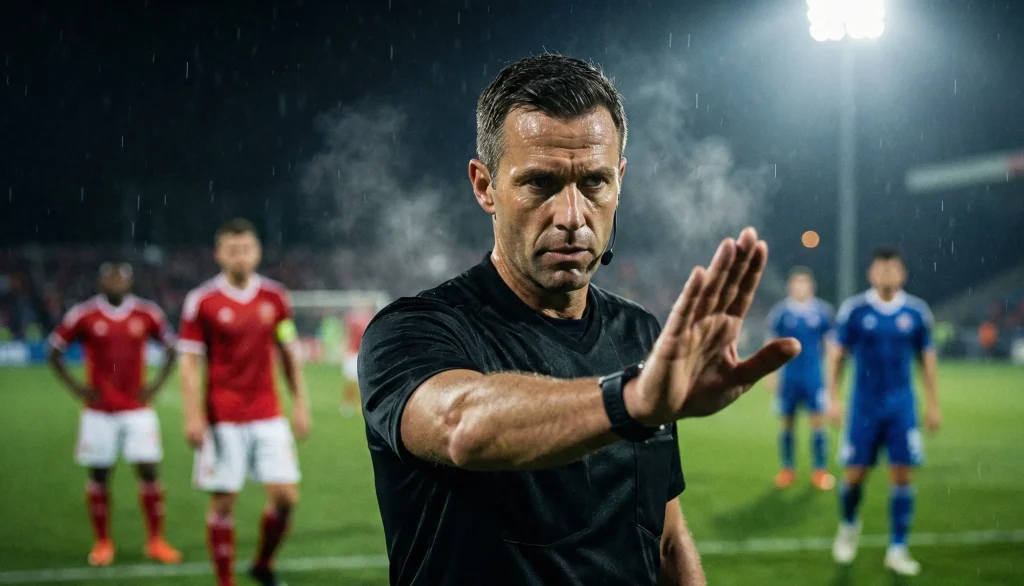
Statistics tell us what referees have done; psychology helps explain why they did it and what they might do next. Beyond the raw numbers of cards per match, referees bring human tendencies to their officiating: ego, pressure responses, crowd influence, and pattern-recognition biases that shape their decisions in predictable ways. Understanding these psychological dimensions transforms referee analysis from simple stat-checking into genuine insight about disciplinary outcomes.
Referees aren’t automatons applying rules identically regardless of context. They’re experienced professionals making hundreds of split-second judgments per match, and those judgments reflect not just the laws of the game but also match atmosphere, prior decisions, and accumulated pressure. A referee who has just missed an obvious foul might compensate by calling the next marginal one. An official facing hostile crowd reactions might unconsciously favour the home side or, depending on personality, might double down on unpopular calls to assert authority. These psychological dynamics create patterns that pure statistical analysis misses.
The field of referee psychology has developed substantially through academic research, with studies documenting consistent biases in officiating across multiple sports. This research validates what experienced bettors intuit: referees are human, and human behaviour follows predictable patterns even when individuals believe they’re being objective. The challenge lies in translating academic findings into practical betting applications, which requires understanding both the research and how it manifests in specific match situations.
The Authority Establishment Pattern
Many referees follow a recognisable pattern of early-match authority establishment, showing cards for initial infractions to communicate their standards before settling into more permissive management. This “set the tone” approach produces first-half card distributions that don’t extrapolate linearly to full-match totals. A referee who books three players in the first 30 minutes might show only one or two more across the remaining 60, having successfully established that they won’t tolerate dissent or cynical fouls.
The timing of a referee’s first card often predicts their subsequent approach more accurately than their historical average. An official who reaches the 25-minute mark without booking anyone has likely decided to manage this particular match verbally, suggesting lower-than-average card counts unless the match dynamic changes dramatically. Conversely, a card before the 10-minute mark signals immediate intent to control through discipline. Live bettors can use this first-card information to adjust in-play positions more accurately than pre-match statistics alone would allow.
Authority establishment interacts with match context in important ways. Referees handling high-profile matches often feel greater pressure to appear decisive, potentially leading to quicker first cards than their baseline tendency suggests. Conversely, in matches where both teams need points and tensions run high, some referees deliberately delay cards to avoid early dismissals that would “ruin” the occasion. Reading which psychological approach a referee will adopt requires considering both their personality profile and the specific stakes involved.
Crowd Influence and Home Bias
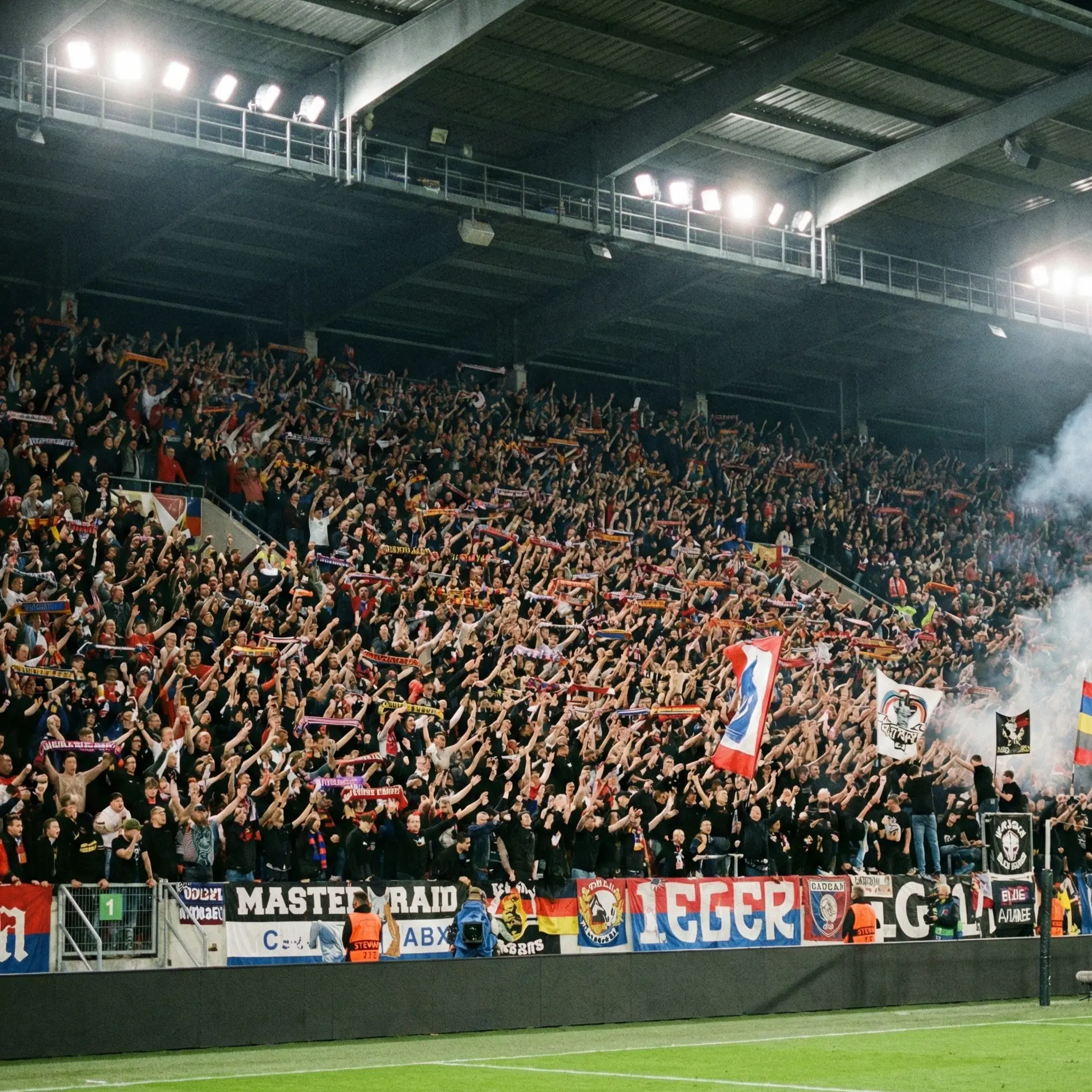
Academic research has consistently documented referee home bias across football leagues worldwide. Home teams receive fewer fouls called against them and fewer cards than away sides, even when controlling for actual foul commission. The explanation centres on crowd influence: thousands of spectators reacting to perceived fouls creates social pressure that unconsciously shifts marginal calls toward the home team. Referees genuinely believe they’re impartial while their decisions reveal systematic patterns favouring hosts.
The magnitude of home bias varies by referee personality. Some officials demonstrate strong people-pleasing tendencies that amplify crowd influence, while others cultivate contrarian self-images that might actually produce reverse bias. Without detailed psychological profiling, identifying which referees fall into which category requires inferring from statistical patterns. Referees whose home and away card distributions differ substantially likely experience stronger crowd effects than those showing minimal venue-based variation.
Empty-stadium matches during the COVID-19 pandemic provided natural experiments that largely confirmed crowd influence theories. Home advantage decreased significantly across multiple leagues when spectators were absent, and referee decision patterns shifted toward greater away-team favourability. When crowds returned, traditional patterns re-emerged. This natural experiment validated what researchers had long suspected: crowds genuinely influence referee decisions rather than home advantage stemming entirely from player performance factors.
Compensatory Calling Patterns
Referees demonstrate compensatory behaviour when they recognise they’ve made errors or shown imbalance. An official who has just booked two players from the same team in quick succession often becomes unconsciously reluctant to show a third card to that side, even when infractions warrant it. This “balance-seeking” creates patterns where cards distribute more evenly than underlying foul patterns would suggest. Teams that receive early cards sometimes benefit from subsequent leniency as referees overcorrect.
The compensation effect extends beyond individual matches to referee self-perception across fixtures. An official who generated controversy in their previous match might approach their next appointment with modified tendencies, either more conservative to avoid further criticism or more assertive to demonstrate they won’t be cowed. Tracking referee performance in recent matches, including any controversial incidents, provides context that pure seasonal statistics miss.
VAR complicates compensatory patterns by removing some decisions from referee discretion while introducing delays that affect match rhythm. When VAR overturns a referee’s original call, the psychological impact varies by official. Some referees react by deferring more frequently to video review, reducing their own card frequency as they wait for VAR to validate or override borderline incidents. Others reassert authority by calling subsequent fouls more strictly. These post-VAR adjustment patterns are still emerging as referees adapt to technology’s role.
Pressure Response Under High Stakes
Knockout matches, relegation deciders, and title-race fixtures create psychological pressure that affects referee behaviour. Some officials rise to these occasions, maintaining consistent standards regardless of stakes. Others either tighten up, reducing cards to avoid “deciding” matches through dismissals, or overcorrect by showing more cards to demonstrate they won’t be intimidated. Understanding how specific referees respond to pressure requires examining their historical performance in high-stakes versus routine fixtures.
Late-game psychology differs from early-game patterns as referees manage injury time and closing moments. With the final whistle approaching, some officials become reluctant to show cards that might provoke confrontations extending beyond the match. Others book time-wasting or dissent more readily precisely because limited time remains for escalation. These closing-minutes tendencies rarely appear in standard referee statistics but materially affect booking points outcomes, especially for live bettors watching matches unfold.
Second yellow card decisions reveal referee psychology clearly because the consequences are so significant. Officials who freely show first yellows sometimes become extremely reluctant to show second yellows that would send players off, preferring verbal warnings even for clear offences. This inconsistency frustrates fans seeking uniform enforcement but creates predictable patterns for bettors. Matches where multiple players carry yellows often see fewer subsequent bookings than similar foul counts would suggest in fresh-card situations.
Bet on wild sa leagues matches.
Player-Referee Interaction Dynamics
Experienced players understand referee psychology and exploit it. Captains who approach officials calmly often receive more favourable treatment than those showing frustration. Players who verbally accept decisions, even ones they disagree with, build credit that pays off in later marginal calls. These interactions create player-specific referee relationships that affect card probability beyond what positional analysis alone would suggest.
Referee reputation among players influences behaviour on both sides. Officials known for strict enforcement see players modify their challenges, potentially reducing foul counts even as card-per-foul rates increase. Lenient referees might see more aggressive play as players test boundaries they expect won’t be enforced. This mutual adaptation means referee tendencies and player responses evolve together rather than existing independently.
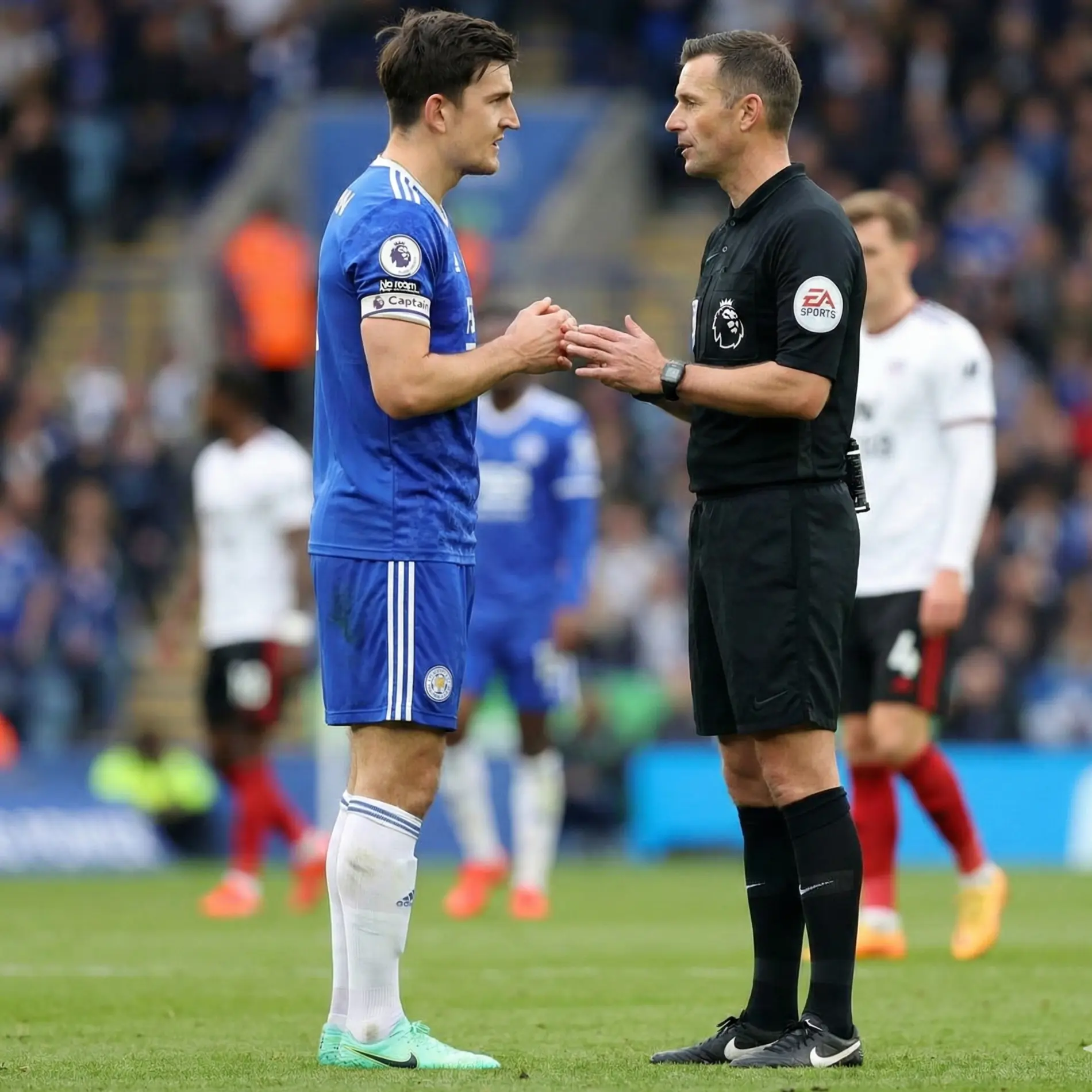
Dissent management has become a major factor in card distribution following rule changes emphasising automatic bookings for referee confrontation. Players who historically escaped with warnings now receive cards, and those cards often come from otherwise disciplined individuals who wouldn’t make traditional “player to be booked” lists. Understanding which referees enforce dissent rules strictly versus those who maintain older, more permissive approaches helps identify value in player-specific card markets.
Applying Psychology to Betting Strategy
Integrating psychological factors into betting models requires accepting greater uncertainty than purely statistical approaches. You can’t measure referee ego or pressure response with the same precision as cards-per-match averages. Instead, psychological analysis provides qualitative adjustments to quantitative baselines, nudging expectations when you identify situations where psychological dynamics point in clear directions.
Pre-match psychological analysis should consider referee-fixture fit. Does this official’s personality suit this match’s demands? Will they handle the pressure effectively or potentially over/underreact? These questions don’t have precise answers, but considering them systematically improves prediction quality even when individual judgments prove imperfect. The goal isn’t certainty but rather better-than-market insight into how human factors will influence outcomes.
Live betting offers the richest opportunities for psychological analysis because you can observe referee behaviour in real-time. Watch how officials communicate with players, how they respond to crowd reactions, and whether their body language suggests confidence or uncertainty. These observations inform in-play decisions that pre-match analysis cannot anticipate. The referee who looks rattled after a controversial call might compensate differently than one who appears unfazed. Reading these signals during matches creates edge that statistics alone cannot provide.
Predict the outcomes accurately via card bet.
