

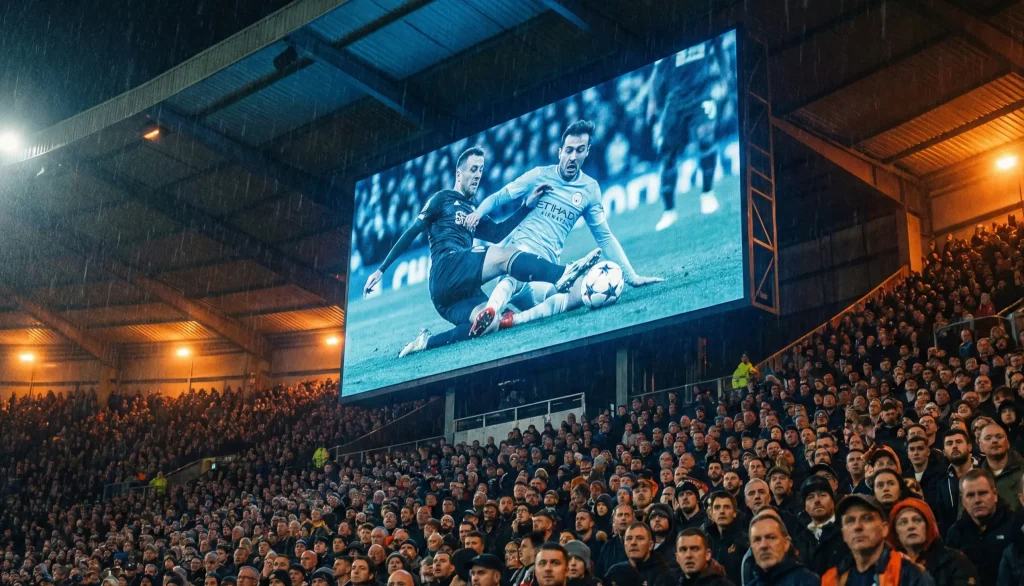
Video Assistant Referee technology fundamentally changed how cards are distributed in modern football. Decisions that once depended entirely on what a referee saw in real-time now undergo potential video review, catching incidents missed during live play and sometimes overturning initial calls. For card bettors, VAR introduces both opportunities and complications that didn’t exist in pre-technology eras. Understanding how video review affects disciplinary outcomes has become essential for anyone serious about booking points markets.
The most dramatic VAR impact involves red card decisions for serious foul play or violent conduct. Before video review, borderline incidents often escaped punishment entirely because referees couldn’t be certain what occurred. Now, VAR can identify studs-up challenges, off-ball altercations, and dangerous play that the on-field official missed, upgrading yellows to reds or issuing straight dismissals from nothing. This catch-all function increases red card probability in ways that historical statistics from pre-VAR seasons don’t capture.
VAR’s effect on yellow cards is more nuanced than its red card impact. Video review typically doesn’t intervene for standard yellow card offences because they don’t meet the “clear and obvious error” threshold. However, VAR does affect yellow card distribution indirectly through penalty reviews, handball decisions, and the psychological effect on player behaviour. Understanding these indirect mechanisms helps bettors predict how technology shifts disciplinary dynamics in specific match situations.
How VAR Changes Red Card Probability
Red cards for off-ball incidents represent the clearest VAR-driven change to card betting markets. Before technology, elbows thrown away from the ball, punches in crowded penalty boxes, and spitting incidents often went undetected because referees couldn’t monitor all 22 players simultaneously. VAR monitors everything, and incidents that would historically escape punishment now regularly result in dismissals after video review. This surveillance effect elevates red card probability beyond what historical team or referee statistics suggest.
The review process itself creates timing patterns that affect live betting and booking points settlement. VAR checks happen after play stops, meaning red card decisions can arrive minutes after the incidents that caused them. A player might commit a reckless challenge in the 73rd minute but not be dismissed until the 76th minute after VAR review confirms serious foul play. For booking points markets that settle on 90 minutes, this delay rarely matters, but understanding the process helps live bettors anticipate when reviews might occur and what decisions might emerge.
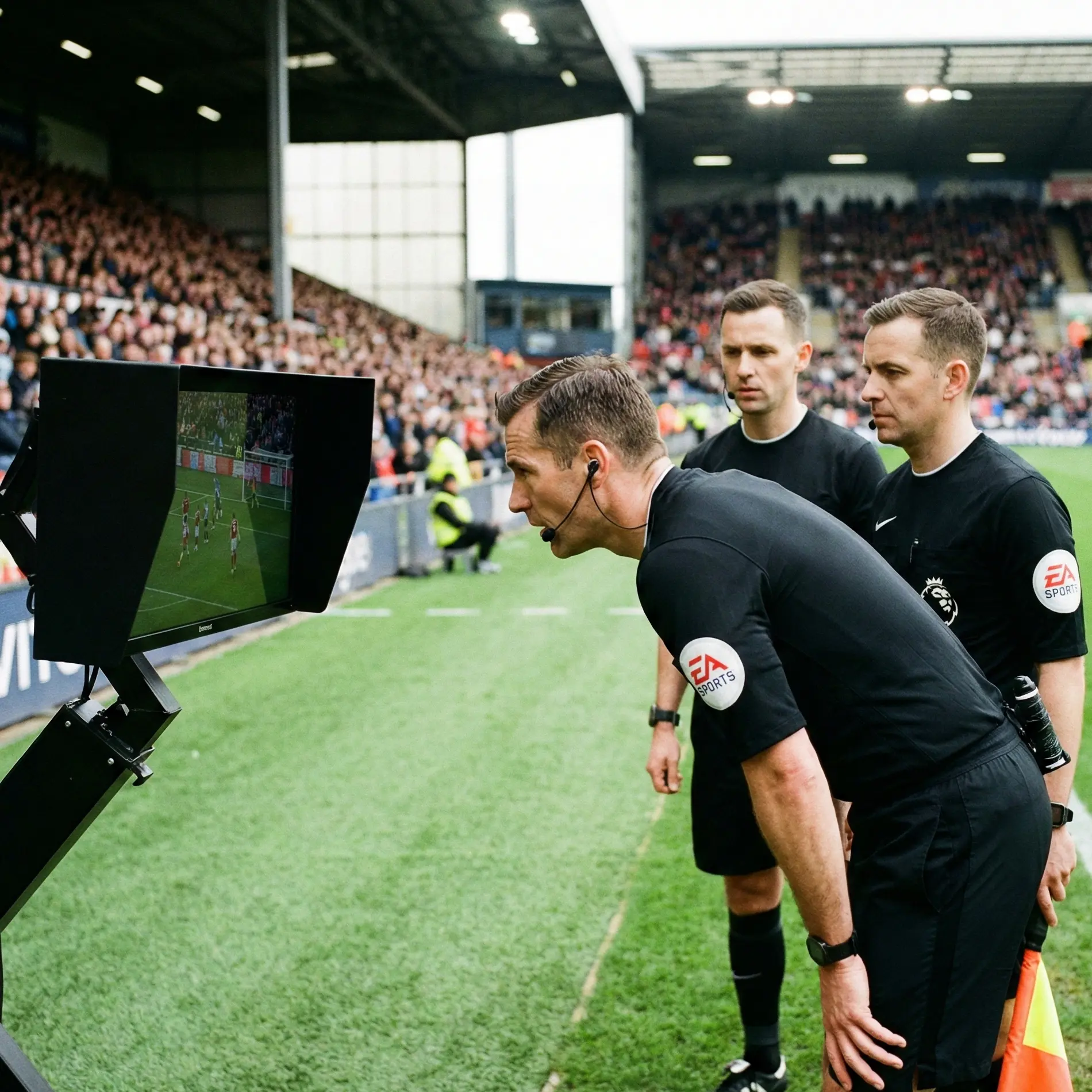
Upgrade patterns from yellow to red after VAR review represent a specific red card pathway that creates booking points dynamics worth understanding. When a referee initially shows yellow for a challenge and VAR subsequently upgrades to red, the booking points total reflects the final decision (25 points for straight red or 35 for two-yellow dismissal) rather than the intermediate yellow. However, if the yellow-then-upgrade happens to a player already on a booking, the sequencing produces maximum individual points regardless of VAR’s involvement.
Penalty Reviews and Yellow Card Implications
VAR penalty reviews create yellow card dynamics that wouldn’t exist without technology. When video review identifies penalty-worthy fouls that referees initially missed, the referee must decide not only to award the penalty but also whether to book the defender. These post-review bookings add cards that wouldn’t have appeared in pre-VAR football, potentially pushing booking points totals above pre-match expectations even when the match itself doesn’t feel particularly heated.
The 2024/25 rule changes affecting non-deliberate handball penalties illustrate how VAR-related policy shifts alter card distribution. Under current rules, handballs leading to penalties that aren’t deemed deliberate no longer automatically trigger yellow cards. This change reduced booking points from VAR-reviewed handball incidents, partially offsetting the card increases from other video review interventions. Rule evolutions like this require bettors to continually update their mental models of how VAR affects disciplinary outcomes.
Defensive desperation near goal creates the highest-value VAR intervention scenarios for card betting. When attackers break through on goal and defenders make last-ditch challenges, referees sometimes misjudge whether contact occurred inside or outside the penalty area, or whether the foul denied an obvious goal-scoring opportunity. VAR reviews these incidents thoroughly, and the combination of penalty awards with potential red cards for denial of clear chances produces dramatic booking points swings. Matches featuring attacking sides against vulnerable defences offer elevated probability of such scenarios.
Settlement Rules and VAR Complications
Bookmaker settlement rules for VAR-related cards vary and require verification before betting. Most major operators count cards issued during 90 minutes plus stoppage time regardless of when the underlying incident occurred, meaning VAR-reviewed cards count if shown before the final whistle. However, cards issued after the final whistle following late VAR reviews typically don’t count toward booking points settlement, even when the reviewed incident occurred during normal time.
Half-time VAR reviews create specific settlement complications for first-half booking points markets. If an incident from the 40th minute undergoes review during the interval and results in a card being shown before second-half kickoff, different bookmakers treat this differently. Some count it as a first-half card since the incident occurred before halftime; others don’t count it since the card was technically shown during the break. Check house rules carefully when betting on half-specific card markets.
Documentation requirements mean that VAR decisions must be formally recorded for cards to count toward settlement. When video review identifies a red-card offence but the referee doesn’t formally show the card on the pitch (perhaps because the player has already left for the dressing room), bookmaker treatment varies. Understanding these edge cases matters most for live bettors making decisions during VAR review periods when outcomes remain uncertain.
Check the weather and pitch.
Player Behaviour Changes Under VAR Scrutiny
VAR’s surveillance function has modified player behaviour in ways that affect card betting independently of direct video review interventions. Players know that off-ball incidents will be caught, reducing the frequency of retaliatory fouls, elbows in aerial challenges, and other aggressive acts that once often escaped punishment. This deterrent effect theoretically reduces certain card types while potentially increasing others as players channel aggression into observable on-ball challenges.
Tactical fouling patterns have evolved under VAR in response to changed incentive structures. Teams can no longer rely on referees missing cynical fouls during transitions because VAR backup exists for genuinely significant incidents. Some teams have responded by committing fouls earlier in attacking sequences, where the consequences of being caught are yellow cards rather than potential penalties. This redistribution of fouling creates different card patterns than pre-VAR tactical approaches produced.
Simulation and diving behaviour has decreased under VAR scrutiny because players risk yellow cards for deception when video review exposes their theatrics. This reduction in simulation removes some yellow cards that would historically have been shown to diving players, partially offsetting VAR-driven card increases in other areas. The net effect varies by league and even by team, depending on historical diving tendencies and current player compositions.
Betting Strategy Adaptations for VAR-Era Football

Historical card statistics from pre-VAR seasons require adjustment when predicting modern outcomes. A team’s 2016 booking points average reflected officiating without video review backup, meaning certain foul types went unpunished that would now result in cards. Simply applying historical averages to current fixtures underestimates card probability for teams whose playing styles generate VAR-reviewable incidents. Weight recent seasons more heavily than distant ones when building team profiles.
Referee statistics also require VAR-era contextualisation because officials have adapted their approach to video review. Some referees have become more conservative with initial decisions, trusting VAR to catch anything they miss, which might lower their direct card involvement while increasing VAR-driven additions. Others maintain aggressive calling patterns, creating cards both directly and through VAR review. Understanding how specific referees interact with video review improves prediction accuracy.
Match-type considerations affect VAR impact because technology is applied differently across competitions. Champions League and major domestic leagues feature full VAR implementation, while some cup competitions and lower leagues operate without video review. When the same teams play under different VAR conditions, their card patterns may vary accordingly. A team’s Europa League statistics (with VAR) might not match their domestic cup performances (potentially without VAR).
Exploiting VAR-Related Market Inefficiencies
Markets occasionally misprice VAR impact when setting booking points lines, creating opportunities for informed bettors. Fixtures featuring attacking teams against shaky defences might see VAR-driven red cards that conservative lines don’t fully anticipate. Matches with historical animosity might produce off-ball incidents that VAR catches. Identifying these elevated-VAR-probability scenarios before bookmakers fully adjust their lines captures value that pure statistical approaches miss.
Live betting during VAR reviews offers high-variance opportunities when you can assess likely outcomes faster than markets adjust. The pause while officials conduct reviews often sees markets suspended or lines frozen. When markets reopen before decisions emerge, prices might not fully reflect the probability of cards being shown after review. Quick assessment of incident severity and likely officiating response positions you for these brief windows.
The evolving nature of VAR implementation means betting edges related to technology will continue shifting. Rule changes, officiating guidance updates, and growing familiarity with video review all alter how VAR affects card distribution. Staying current with these changes through league announcements and observed pattern shifts ensures your VAR-related analysis remains accurate rather than relying on potentially outdated assumptions. Technology transformed card betting once; it will continue transforming it as implementation matures.
Rely on facts available at card bet.
