

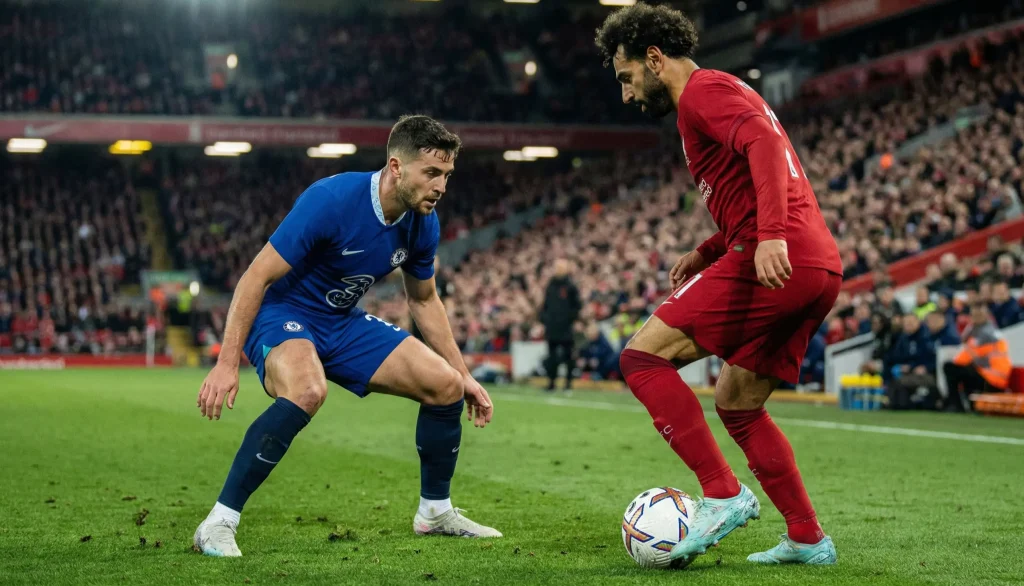
Individual player bookings emerge from specific interactions between attackers and defenders, not from abstract statistical tendencies operating in isolation. A full-back’s seasonal card average tells you something useful, but knowing he’ll spend 90 minutes chasing a winger who’s faster, trickier, and determined to embarrass him tells you considerably more. Matchup analysis transforms player card betting from statistical extrapolation into predictive modelling that accounts for the actual humans who will be contesting each fixture.
The concept is straightforward even if the execution demands attention: identify which players will directly engage with which opponents, assess whether those engagements favour fouls, and adjust card probability accordingly. Every fixture contains multiple relevant matchups—full-backs versus wingers, defensive midfielders versus playmakers, centre-backs versus strikers—each carrying its own card-generating potential. Your job is to identify which matchups matter most and whether they point toward elevated booking risk for specific individuals.
Opposition research requires knowing both teams’ personnel, tactical systems, and tendencies. You need to understand who attacks where, who defends against them, and what happens when those roles collide. This dual-sided analysis separates serious matchup assessment from superficial pattern-matching. The defender’s card history matters, but so does the attacker’s ability to draw fouls—both sides of the interaction contribute to booking probability.
Follow the player booked betting.
Wide Area Matchups: Full-Backs Under Pressure
Full-back versus winger represents card betting’s most productive matchup category because these duels repeat throughout matches with minimal support for the defender. A full-back isolated against a quality wide attacker faces continuous booking risk every time the ball arrives in that channel. When pace mismatches favour the attacker, the arithmetic becomes brutal: the defender will be beaten, will make recovery challenges, and will eventually receive a card for one that goes wrong.
Identifying vulnerable full-backs requires assessing physical profiles against their likely opponents. Age-related pace decline, recovery speed limitations, and positional discipline all affect how full-backs cope with direct wingers. A 33-year-old right-back who’s lost a step facing a 22-year-old speed merchant represents near-certain booking material regardless of the defender’s disciplinary record. The matchup itself creates the probability, not historical patterns that might reflect completely different opposition.
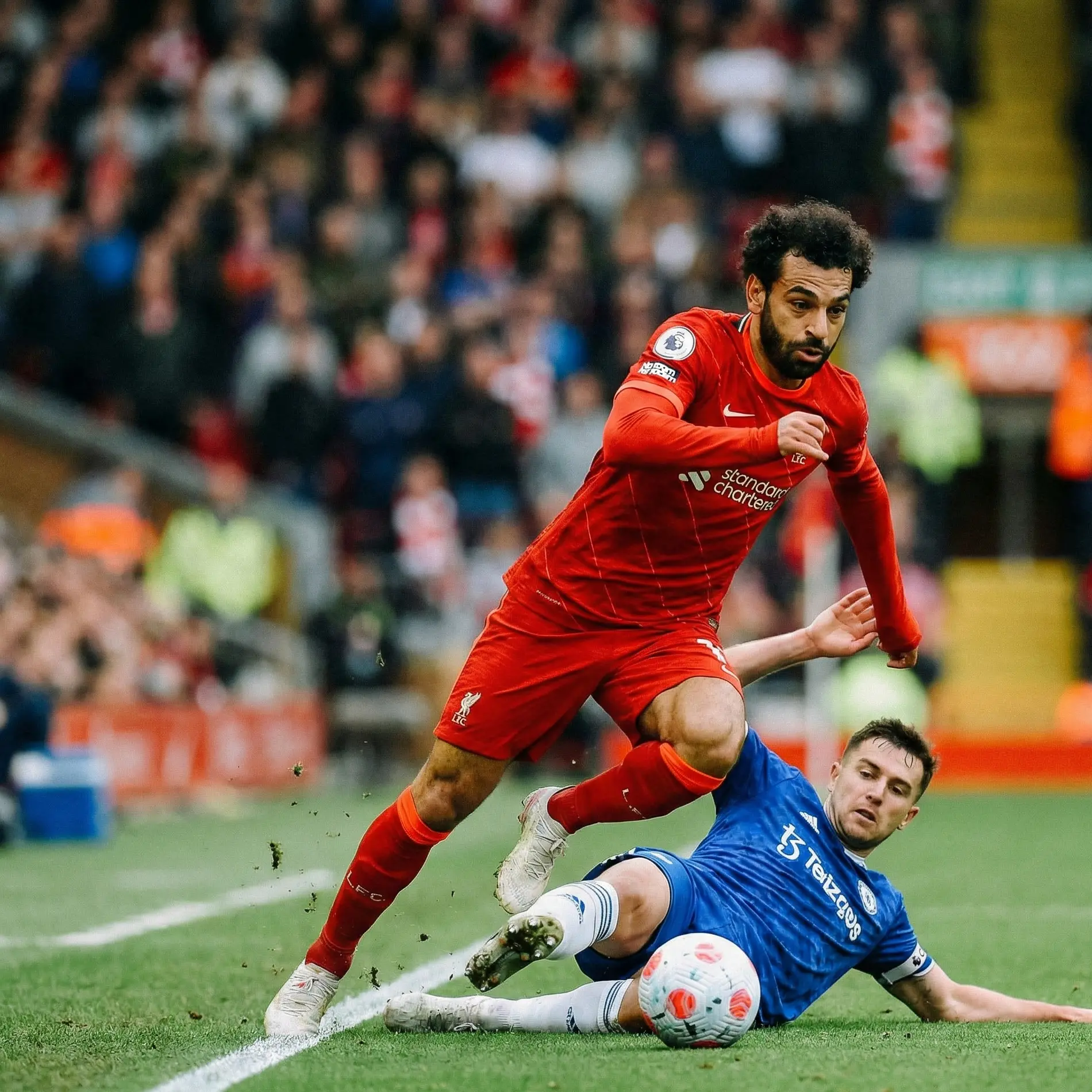
Winger characteristics matter equally because some wide players generate more defensive fouls than others. Dribblers who attack defenders directly, invite challenges, and maintain balance through contact draw more fouls than those who play safe passes or cut inside immediately. Players known for drawing free kicks—whether through skill, strength, or gamesmanship—create booking probability for whoever marks them. Check fouls-won statistics for wingers to identify who generates the most defensive bookings.
Central Midfield Battlegrounds
Defensive midfielders facing creative playmakers develop booking risk through tracking responsibilities that span entire matches. When a number six draws the assignment of shadowing an opponent’s chief creator, they cannot avoid engagement—every time the playmaker receives possession, the defensive midfielder must close, challenge, or foul. Against quick, technically gifted creators, this tracking duty generates repeated situations where bookings become likely.
The quality gap between defensive midfielder and playmaker influences card probability substantially. When elite creators face ordinary destroyers, the destroyer makes more desperate challenges because they’re consistently beaten in clean contests. Conversely, when a top-class defensive midfielder tracks a limited playmaker, clean interceptions replace bookable challenges. Assess the talent differential within specific matchups rather than assuming all central battles generate equivalent card risk.
Physical midfield battles between two aggressive ball-winners produce cards for one or both participants. When teams deploy combative players in overlapping zones, challenges multiply and referees eventually intervene. Fixtures featuring midfield scraps between renowned tacklers historically generate central bookings at elevated rates. These mutual destruction matchups offer multiple betting angles—you might back either defensive midfielder or combine both in bet builders expecting a physical middle-third battle.
Forward Pressure on Defensive Lines
Striker versus centre-back matchups generate cards differently depending on striker type and defensive approach. Target men who hold up play, back into defenders, and compete physically for aerial balls create constant contact that occasionally produces bookings. Quick, movement-based forwards create fewer contact situations but more desperation fouls when they break in behind. Understanding which striker types you’re analysing helps predict card-generating mechanisms.
Centre-backs rarely feature among primary card betting targets because their challenges occur less frequently than midfielders’ and often in managed circumstances. However, specific matchups elevate centre-back booking probability above baseline. An aggressive, front-foot defender facing a striker who runs channels and exploits space will commit more fouls than one who can simply outmuscle a static target man. The matchup type determines whether centre-back cards represent realistic possibilities.
Pressing forwards who harass defenders from the front create different card situations than pure finishers who focus on goal areas. High-pressing strikers force defenders into hurried clearances and panicked decisions that sometimes become bookable. When these forwards track back aggressively against building possession, even defenders normally protected from card risk face increased exposure. Team tactical instructions affect how forwards create defensive card probability.
Systematic Matchup Assessment Process
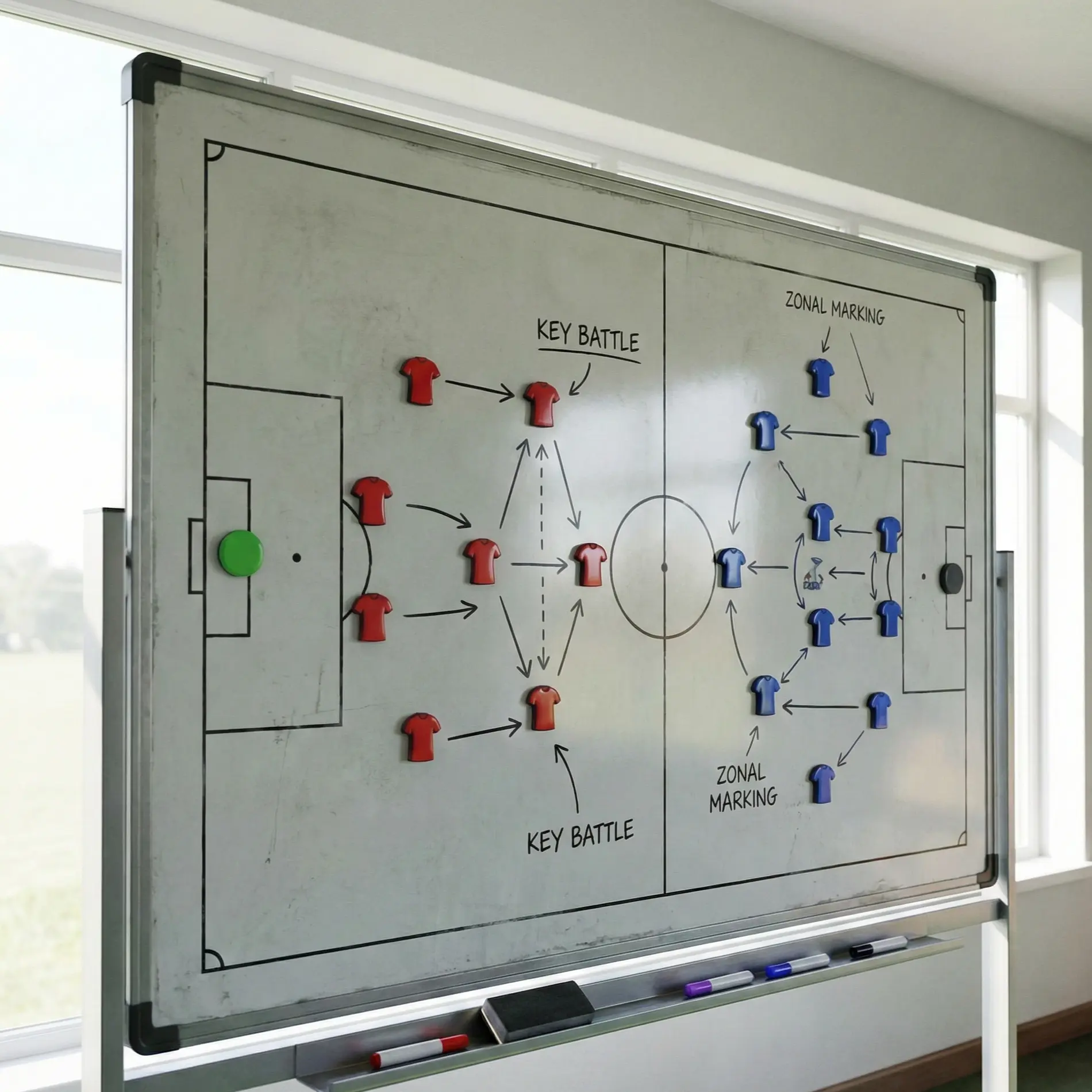
Pre-match analysis should map every significant positional matchup within a fixture. List both teams’ attacking threats and identify who defends against each. Consider primary assignments and secondary responsibilities that arise when play shifts across the pitch. A comprehensive matchup map reveals where card-generating potential concentrates and whether any single area offers unusually strong booking probability.
Weighting matchups by importance helps prioritise analysis when multiple areas show card potential. Wide matchups typically matter most because they produce the most frequent one-on-one situations with minimal support. Central matchups matter when specific players must track specific opponents. Defensive line matchups matter least for general card betting but become relevant when striker types create particular challenges for identified defenders.
Formation and tactical considerations affect which matchups actually materialise during matches. A 3-5-2 creates different wide situations than a 4-4-2, even with identical personnel. Pre-match team news helps predict formations, but expect some uncertainty until lineups confirm your assumptions. Flexible analysis that can adjust to unexpected setups serves better than rigid predictions that collapse when formations differ from expectations.
Converting Matchup Analysis into Betting Value
Matchup insights should adjust baseline card probabilities rather than replacing them entirely. A player who never receives cards won’t suddenly become a booking certainty just because they face one difficult matchup. Conversely, a serial offender might still escape yellow despite facing favourable booking conditions. Use matchups to modify expectations by meaningful but reasonable amounts—perhaps 15-25% probability adjustments for clearly identified mismatches.
Market pricing sometimes fails to fully reflect matchup dynamics, creating value opportunities for bettors who analyse opposition research that bookmakers under-weight. When a normally disciplined full-back faces a nightmare winger, their card price might not shorten sufficiently to reflect elevated probability. These gaps between market assessment and matchup-informed assessment represent betting edges, though identifying them requires both matchup analysis and odds comparison.
Lineup confirmation validates or invalidates matchup predictions built on expected selections. If your analysis targeted a full-back based on his matchup against a specific winger, verify that winger actually starts before committing to the bet. Unexpected absences can eliminate value you’d identified, while surprise selections might create opportunities you hadn’t considered. Use the lineup window to finalise matchup-based positions rather than betting blind on pre-match assumptions.
Live Betting Applications
Matchup analysis becomes dynamic during live betting because you can observe whether predicted dynamics are materialising. Perhaps your targeted full-back is indeed struggling, confirming your pre-match assessment. Perhaps tactical adjustments have protected him more than expected, invalidating your prediction. Live observation validates or refutes matchup hypotheses, helping you adjust in-play positions based on actual events rather than static pre-match expectations.
In-play odds shift based on observed match dynamics, sometimes creating better value than pre-match markets offered. A full-back who hasn’t been booked but is clearly struggling might see shortened odds that still don’t fully reflect his situation. Alternatively, odds might overreact to a couple of difficult moments, shortening beyond fair value for players who’ve actually coped reasonably well. Reading matches with matchup awareness helps identify which live prices offer genuine value.
Late-game matchup dynamics differ from early-game patterns because fatigue, scoreline, and tactical changes all affect how duels unfold. A full-back who survived the first half might struggle more when legs tire and concentration wanes. Substitutions might introduce fresh attackers against tiring defenders, creating new matchup advantages. Consider how match evolution affects the specific matchups you’re tracking rather than assuming static dynamics persist throughout.
Matchup analysis elevates card betting into genuine football analysis rather than simple statistical pattern-matching. By understanding how specific players will interact with specific opponents, you predict challenge frequency and booking probability more accurately than historical averages alone allow. The approach demands more preparatory work—you must know both teams’ personnel and tactical tendencies—but rewards that investment with better predictions and more frequent identification of value that simpler methods miss entirely.
Make absolutely smart choices at card bet.
