


Live card betting transforms static pre-match predictions into dynamic, real-time decision-making where you can observe match flow before committing funds. Unlike pre-match betting where you’re essentially predicting based on historical patterns and educated guesses, in-play card markets let you see how the match is actually developing before placing bets. A fixture you expected to run calm might show early signs of intensity; one you anticipated would generate cards might be flowing peacefully. Live betting exploits this information advantage by letting you enter markets when evidence supports your position.
The fundamental appeal of live card betting lies in confirmation rather than prediction. Pre-match, you might identify a fixture as likely to produce elevated cards based on team styles, referee assignment, and rivalry context. Live betting lets you wait for that prediction to show signs of materialising before risking money. If the first twenty minutes confirm your expectation—multiple fouls, heated exchanges, early warnings from the referee—you enter with greater confidence. If the match develops contrary to expectations—flowing play, minimal stoppages, relaxed officiating—you avoid a losing bet entirely.
Card markets during live play offer unique characteristics that differ from pre-match equivalents. Odds move dynamically based on cards already shown, time remaining, and observed match intensity. After an early card, overs odds shorten while unders lengthen. As time passes without cards, the reverse occurs. Understanding these mechanical movements helps identify when odds represent genuine value versus simply reflecting mathematical adjustment to elapsed time and observed events.
Reading Match Flow for Card Signals
Foul frequency provides the most reliable early indicator of card probability. Matches that produce multiple fouls in the opening minutes, even without cards, signal referee tolerance being tested and eventual bookings becoming likely. Count fouls mentally or track them through live statistics—if a match reaches eight or ten fouls before the 20-minute mark, cards typically follow. This foul accumulation often precedes the first booking, giving you time to enter overs positions before odds adjust fully.
Referee body language and communication style offer signals that pure statistics miss. Watch how the official responds to early challenges. A referee who immediately reaches for their pocket for notebook entries, even without showing cards, is establishing authority that will likely produce bookings. One who waves play on repeatedly and communicates verbally with players might manage the match without formal cautions. These observations require actually watching rather than relying on data feeds, but provide insight that numbers alone cannot capture.

Player behaviour and match temperature become visible in ways pre-match analysis cannot anticipate. Confrontations between specific players, frustrated reactions to referee decisions, and increasingly forceful challenges all signal rising tension that typically produces cards. If you’re watching a match and notice these escalation signs, card overs become attractive before the market fully prices the observed intensity. Conversely, matches where players appear relaxed and challenges remain fair might warrant unders consideration regardless of pre-match expectations.
Optimal Entry Timing for Live Card Bets
The period between the 15th and 30th minute often provides optimal entry points for card betting. By this stage, match patterns have established themselves without significant time having elapsed. You can assess foul frequency, referee approach, and match intensity while substantial time remains for cards to accumulate. Entering too early means betting before patterns establish; waiting too long means missing value as odds adjust to observed conditions.
First-half card markets offer concentrated opportunities because 45 minutes provides sufficient time for several bookings while remaining short enough that individual incidents significantly affect outcomes. If you’ve identified a match running hot in the opening 20 minutes, backing first-half overs captures the observed intensity before the halftime break resets dynamics. First-half markets also settle quickly, allowing capital to rotate for second-half or subsequent matches.
The period following 60 minutes creates different live betting dynamics. Teams chasing matches commit more tactical fouls; teams protecting leads use fouls to waste time and break rhythm. Fatigue produces mistimed challenges that lead to bookings. If a match remains close entering the final third, expect card accumulation to accelerate. Enter second-half overs or remaining match overs when you observe scoreline pressure building and tempo intensifying beyond first-half levels.
Market Suspension and Odds Movement
Live card markets suspend briefly when cards are shown, then reopen at adjusted prices. Understanding how much odds should move helps identify when bookmakers overcorrect or undercorrect. A single early yellow shouldn’t dramatically shift total cards odds for a match expected to produce four or five bookings, yet markets sometimes overreact. Conversely, markets might not adjust sufficiently when an early card signals referee strictness that predicts further bookings.
The gap between card events creates betting windows where observed match intensity hasn’t yet translated into formal discipline. If you’re watching a match with escalating fouls and heated exchanges but no cards yet shown, the odds still reflect the clean state rather than the building tension. Entering during these windows captures value before the inevitable first card triggers market adjustment. This approach requires actually watching matches rather than simply tracking card counts through data feeds.
VAR checks create specific live betting considerations because markets often suspend during reviews and may reopen at dramatically different levels if red cards or penalty-related bookings emerge. These suspension periods can frustrate live bettors who wanted to enter at pre-review prices but also create opportunities when markets reopen at levels that overcorrect for VAR’s impact. Experienced live bettors develop intuition for how different VAR scenarios should affect card prices.
Practical In-Play Card Strategies
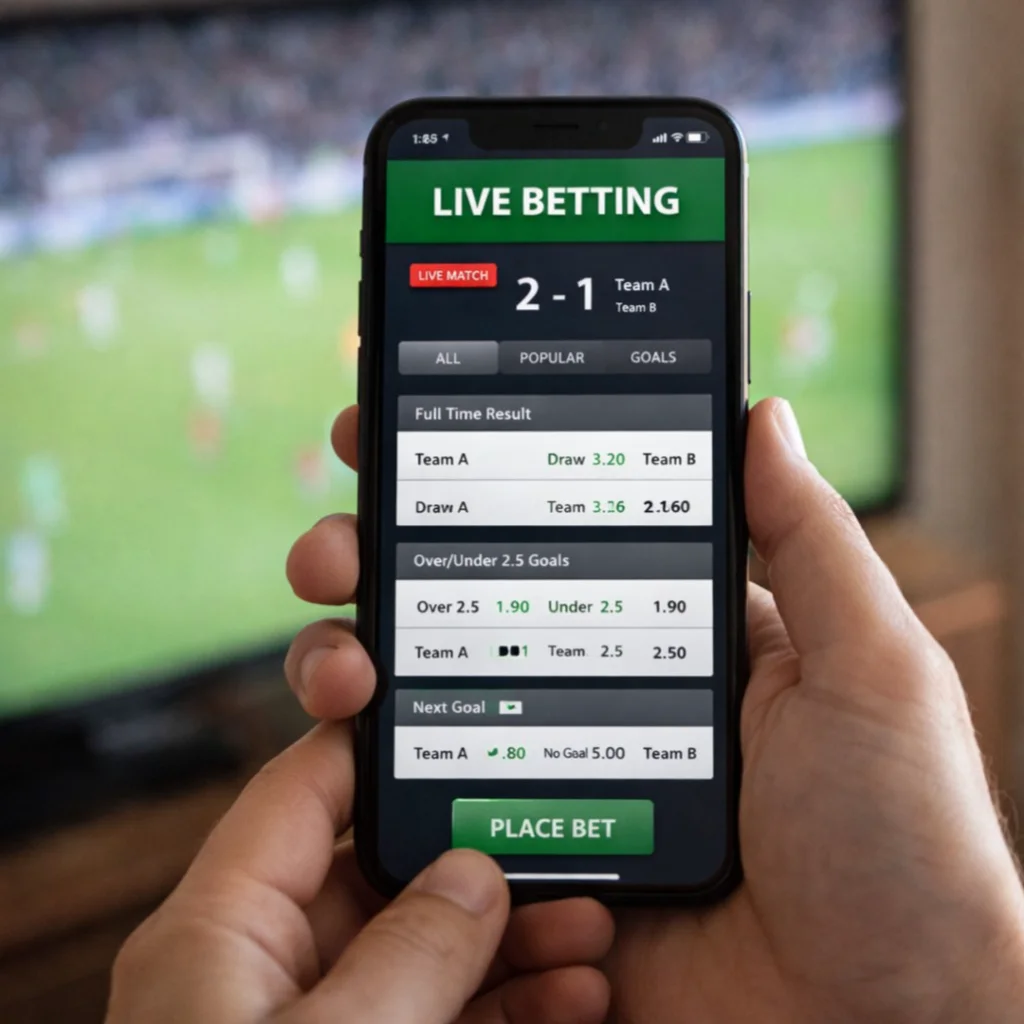
Watching the match remains essential for effective live card betting because data feeds provide only partial information. You can see foul counts and cards shown, but you cannot see player body language, referee communication style, or the severity of challenges that haven’t yet been punished. When possible, watch matches you’re betting on rather than relying exclusively on statistics. The visual information advantage over bookmakers—who primarily price based on data rather than observation—creates edge.
Selective engagement produces better results than constant live betting. Not every match warrants in-play attention, and forcing live bets when clear signals are absent leads to overtrading. Identify matches with live betting potential during pre-match analysis—fixtures where uncertainty exists that live observation might resolve—and focus attention there. Ignore matches where pre-match positions already captured available value.
Bankroll management for live betting requires adjusted approaches because the speed of decision-making can lead to overexposure. Set session limits for live betting activity, both in terms of stakes and number of bets. The excitement of real-time betting can overwhelm discipline, leading to chasing or emotional decision-making. Predetermined limits protect against these tendencies while still allowing engagement with live opportunities.
Combining Pre-Match and Live Approaches
Effective card betting often combines pre-match positioning with live adjustment. You might enter a partial position pre-match when analysis suggests value, then add to that position live if early match observations confirm your thesis. This layered approach captures some value at better pre-match odds while reserving capacity to increase exposure when confirmation appears.
Hedging pre-match positions through live betting provides risk management options. If you’ve backed total cards over pre-match but the match is developing calmer than expected, you might back unders live to reduce overall exposure. This hedging costs potential profit if your original position was correct but limits losses when matches develop contrary to expectations. The decision to hedge should follow predetermined rules rather than emotional reaction to temporary match states.
Exit strategies matter for live card betting when positions can be closed before settlement. If you’ve backed overs and seen several early cards, you might cash out partial profit rather than risking the remaining time. Conversely, if unders is looking strong but time remains for circumstances to change, locking in profit might prove wise. Develop frameworks for when cash-out makes sense rather than making impulsive decisions based on current profit or loss levels.
Live card betting rewards those who combine observational skill with market understanding. By watching matches rather than simply tracking data, identifying signals that predict card accumulation, and timing entries to capture value before markets adjust, you can find opportunities that pre-match betting alone cannot provide. Approach live betting with discipline, selectivity, and predetermined rules, and you’ll add a valuable dimension to your card betting repertoire.
