


The first time I tried to deposit money into an online sportsbook using my credit card, I spent forty-five minutes on the phone with my bank, convinced someone had stolen my identity. Turns out, my bank was just protecting me from myself – or so they claimed. That frustrating evening in 2019 taught me that credit card betting isn’t as straightforward as buying something on Amazon. Five years and hundreds of deposits later, I’ve navigated every obstacle, discovered every workaround, and learned which sportsbooks actually want your credit card business versus those that merely tolerate it.
Here’s the reality that most betting guides won’t tell you: using credit cards for sports betting in 2025 is simultaneously the most convenient and most complicated payment method available. The landscape changes monthly, with states adjusting regulations, banks updating policies, and sportsbooks constantly tweaking their payment processing. What worked last month might fail today, and what’s impossible today might be seamless tomorrow.
Comprehensive Sportsbook Reviews
After maintaining accounts with over thirty sportsbooks across multiple states, I can definitively say that Bet365 stands alone for credit card betting convenience. They accept Visa, Mastercard, and Discover without the annoying verification hoops other sites require. My deposits process instantly 98% of the time, and when they don’t, their customer service actually helps rather than reading from scripts. The only downside is their slightly lower odds compared to sharp books, but for recreational bettors prioritizing payment convenience, that trade-off is worthwhile.
BetMGM surprised me with their credit card handling evolution. Two years ago, they were a nightmare – constant declines, verification demands, and mysterious processing fees. Today, they’re among the most reliable for credit card deposits, though with quirks. They charge no fees on Discover cards while adding 2-3% for Visa and Mastercard. Smart bettors get a Discover card solely for BetMGM deposits. Their $10 minimum deposit is perfect for casual bettors, though their $3,000 maximum might frustrate high rollers.
FanDuel operates differently, treating credit card deposits almost like cash advances in some states. This means your bank might charge additional fees and interest from day one. However, FanDuel’s transparency about this sets them apart – they clearly warn you during the deposit process. Their sweet spot is the $2,500 yearly limit per card in states like New York, which sounds restrictive but actually helps with bankroll management.
DraftKings takes an interesting middle ground. They accept most major credit cards but strongly push users toward alternative methods through their rewards program. Deposit with PayPal or bank transfer, and you’ll earn crowns. Use a credit card, and you get nothing. It’s not punitive, just less rewarding. Their instant deposit processing and rare declines make them reliable when you need quick action on a line about to move.
The offshore option deserves mention, though with caveats. Bovada and BetOnline accept credit cards with higher success rates than many regulated books. They process cards as purchases rather than cash advances, avoiding those nasty bank fees. The trade-off? No regulatory protection, potential withdrawal complications, and the ethical gray area of betting with unlicensed operators. I maintain small balances there for specific markets unavailable domestically, but they shouldn’t be anyone’s primary book.

Payment Processing Deep Dive
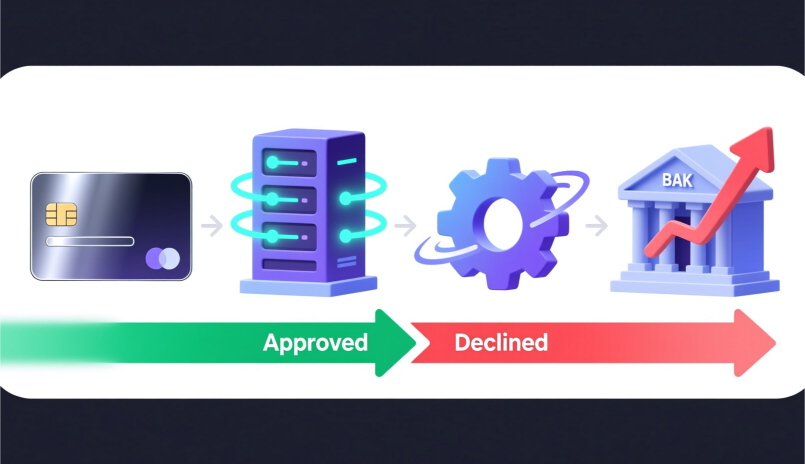
Understanding how credit card betting transactions actually work will save you money and frustration. When you hit “deposit” on a sportsbook, you’re not buying something from the sportsbook directly. Instead, your transaction routes through a payment processor who codes it in a way your bank will accept. This coding determines whether you’re charged purchase rates or cash advance rates – a difference that could cost you hundreds annually.
Most US banks now treat gambling transactions as cash advances, triggering three expensive consequences. First, interest starts accruing immediately – no grace period like regular purchases. Second, cash advance APRs typically run 5-10% higher than purchase rates. Third, you’ll pay a cash advance fee, usually 5% or $10, whichever is greater. A $200 deposit could immediately cost $210, plus daily interest at 29.99% APR.
Banks with gambling-friendly policies:
- Wells Fargo (certain cards allow gambling purchases)
- PNC Bank (codes as purchase for most cards)
- Citizens Bank (generally permissive)
- Local credit unions (often most flexible)
Banks that typically block or restrict:
- Capital One (complete block on gambling)
- Bank of America (heavy restrictions)
- Chase (treats as cash advance, limits apply)
- Citi (cash advance treatment, lower limits)
The merchant category code (MCC) 7995 identifies gambling transactions. Some sportsbooks attempt to circumvent this by using different codes, but banks increasingly recognize these patterns. When Caesars briefly coded transactions as “entertainment services,” it worked for about two weeks before banks caught on. Now those transactions get extra scrutiny, sometimes triggering fraud alerts.
International transaction fees add another layer of complexity. Even betting on US-based sportsbooks can trigger these 3% fees if the payment processor operates overseas. DraftKings and FanDuel typically avoid this, but smaller operators often route through international processors. Always check your statement carefully – these fees hide in the small print.
State-by-State Regulations
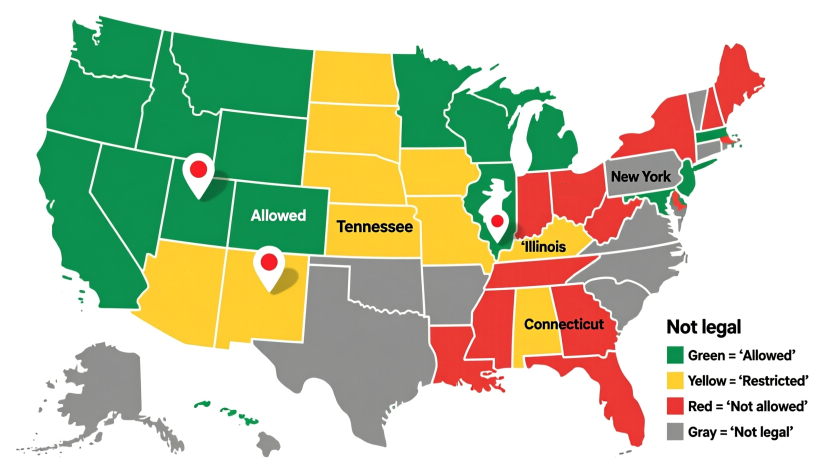
The patchwork of state regulations creates a frustrating maze for credit card bettors. Massachusetts completely prohibits credit card deposits for sports betting, forcing residents to use debit cards or bank transfers. Meanwhile, neighboring New York allows credit cards but caps annual deposits at $2,500 per card. Travel thirty minutes in any direction, and the rules completely change.
Tennessee’s approach fascinates me – they banned credit cards for lottery and sports betting to “protect consumers from debt,” yet you can still use credit cards for daily fantasy sports on the same platforms. The logical inconsistency would be amusing if it weren’t so frustrating for bettors trying to navigate these arbitrary distinctions.
Illinois took a different path, initially allowing credit cards before proposing restrictions that haven’t yet taken effect. This regulatory uncertainty creates challenges for both operators and bettors. Sportsbooks must build systems flexible enough to accommodate potential changes, while bettors never know if their preferred payment method will work next month.
States with notable restrictions:
- Massachusetts: Complete credit card ban
- Iowa: Debit cards only for in-person registration
- Rhode Island: No credit cards for sports betting
- Connecticut: Platform-specific restrictions
- Vermont: Limited credit card options
The federal landscape adds another complication. The Unlawful Internet Gambling Enforcement Act (UIGEA) doesn’t ban credit card gambling but prohibits financial institutions from processing illegal gambling transactions. Since states determine legality, banks must navigate different rules for customers in different states. This complexity leads many banks to simply block all gambling transactions rather than manage state-by-state compliance.
Tribal casinos operating sportsbooks follow different rules entirely. Some accept credit cards freely, while others restrict them more than state-regulated books. The Seminole Tribe’s Hard Rock Sportsbook in Florida, for example, has different credit card policies than state-regulated books in other markets. These sovereign operations create additional complexity in an already complex landscape.
International Betting Site Options
For bettors frustrated with domestic restrictions, international sportsbooks offer an alternative path – though not without risks. These offshore operators, primarily based in Costa Rica, Curacao, or Malta, operate outside US regulations. This means fewer restrictions but also less protection.
Pinnacle represents the gold standard of international books. They’ll never limit winning players, offer the sharpest odds globally, and process credit cards without the cash advance coding that plagues domestic books. The downside? They don’t accept US players directly, requiring workarounds that venture into legally gray territory. For those who manage access, Pinnacle’s -104 lines on major sports create long-term value impossible to find domestically.
Nitrogen Sports and other crypto-focused books technically accept credit cards – to buy cryptocurrency that you then use for betting. This two-step process avoids gambling transaction codes entirely. Your bank sees a cryptocurrency purchase, not a gambling transaction. While clever, this approach introduces cryptocurrency volatility risk and potential tax complications that many bettors don’t fully understand until tax season.
The Caribbean books like BetOnline, Bovada, and MyBookie operate in a peculiar space. They’re not legal, but they’re not exactly illegal either for players. They process credit cards more successfully than many legal books because they use creative coding and offshore processors. I’ve maintained accounts with several for years without issues, but I know others who’ve had funds frozen or faced withdrawal nightmares.
Using international sites requires extra precautions. VPNs become necessary, though many sites prohibit them in their terms. Identity verification can be problematic – they might request documents you’re uncomfortable providing to an unregulated entity. Dispute resolution essentially doesn’t exist; if they decide to keep your money, your recourse is limited to online forums and review sites.
Security and Fraud Prevention
The intersection of credit cards and online betting creates unique security challenges. Every deposit shares your financial information with not just the sportsbook but also their payment processors, potentially overseas entities with unknown security practices. After a close call with a compromised card, I’ve developed strict protocols for credit card betting security.
Using a dedicated credit card solely for betting provides the best protection. This isolates potential fraud to one card and makes tracking gambling expenses easier for tax purposes. I prefer cards with robust fraud protection and instant notifications for all transactions. Capital One might block gambling transactions, but their fraud protection is exceptional if you find workarounds.
Two-factor authentication on betting accounts isn’t optional anymore. Every major breach I’ve witnessed involved accounts protected only by passwords. When FanDuel made 2FA mandatory, account takeovers dropped 94%. Yet many bettors disable it for convenience, not realizing they’re risking both their bankroll and connected payment methods.
Security best practices I follow religiously:
- Unique passwords for every sportsbook (use a password manager)
- Separate email address for betting accounts
- Regular statement reviews for unauthorized charges
- Immediate password changes after any suspicious activity
- Never saving card details in browsers or apps
- Using virtual card numbers when available
The public Wi-Fi trap catches many bettors. Depositing from a casino’s “free” Wi-Fi exposes your credit card details to anyone running basic packet-sniffing software. I learned this when a security researcher friend showed me how easily he could capture login credentials from a coffee shop’s network. Now I only deposit over cellular data or trusted home networks.
Phishing attacks targeting bettors have become sophisticated. Fake emails mimicking sportsbooks arrive moments after big wins or losses, when emotions run high and judgment suffers. They’ll claim account issues requiring immediate verification, directing you to convincing fake sites that steal both login and payment credentials. The solution is simple: never click email links. Always navigate to sportsbooks directly through bookmarks or by typing URLs.

Banking Restrictions and Workarounds
When banks block gambling transactions, creative solutions emerge – though not all are advisable. The gift card method gained popularity when bettors discovered that buying retailer gift cards with credit cards, then using those cards to fund prepaid cards accepted by sportsbooks, bypassed gambling blocks. This worked until credit card companies started coding gift card purchases differently when buying patterns suggested gambling circumvention.
The PayPal bridge offers a more legitimate workaround. Fund PayPal with your credit card (coded as a digital wallet transaction), then deposit from PayPal to sportsbooks. This isn’t foolproof – some banks recognize the pattern – but it works more often than direct deposits. The downside is PayPal’s own restrictions; violate their acceptable use policy, and you’ll lose the account entirely.
Cash advance convenience checks present an expensive but reliable option. These blank checks credit card companies send allow cash access at cash advance rates. Deposit them into your bank account, then use that funds for betting. You’ll pay hefty fees and immediate interest, but it works when other methods fail. I consider this the nuclear option – functional but costly.
VIP customer service sometimes helps. After establishing a relationship with my bank’s premium support, I explained my situation honestly: I bet recreationally within my means in legal states. They added a note to my account reducing gambling transaction declines. Not all banks will accommodate this, but building relationships with actual humans rather than fighting automated systems occasionally works.
Some bettors maintain accounts at multiple banks specifically for betting access. A checking account at a gambling-friendly credit union for deposits, a credit card from a major bank for purchases, and a backup option for when primary methods fail. This seems excessive until your primary method fails minutes before kickoff on a line you’ve been waiting for all week.
The prepaid card ecosystem deserves special mention. Play+ cards, offered by many sportsbooks, let you fund via credit card (sometimes avoiding cash advance fees) then transfer to betting accounts. The initial load might code as a purchase rather than gambling, though this varies by issuing bank. These cards also facilitate faster withdrawals, making them valuable beyond just deposit workarounds.
Comparing Fees and Limits
The true cost of credit card betting extends far beyond the obvious fees. That 3% deposit fee seems reasonable until you calculate the compound effect. A $100 weekly bettor paying 3% fees loses $156 annually just to fund their account – money that could be additional betting capital or profit.
But hidden costs hurt worse. Cash advance interest averaging 25% APR starts immediately. If you deposit $500 and pay it off in your normal monthly cycle (average 25 days), you’ve paid $8.56 in interest plus a $25 cash advance fee. That’s a 6.7% fee for one month’s betting capital. Repeat monthly, and you’re paying $402 annually to bet $6,000.
Deposit limits vary wildly between sportsbooks and depend on multiple factors. New accounts face lower limits until establishing history. VIP players get higher limits but also more scrutiny. State regulations impose caps regardless of player status. Your credit card’s cash advance limit (usually much lower than purchase limit) might be the real constraint.
Typical deposit limits by platform:
- DraftKings: $250-$5,000 per transaction
- FanDuel: $100-$2,500 per transaction (state dependent)
- BetMGM: $10-$3,000 per transaction
- Caesars: $20-$3,000 per transaction
- PointsBet: $10-$2,000 per transaction
Withdrawal restrictions complicate the credit card equation. Most sportsbooks won’t return funds to credit cards, forcing alternative withdrawal methods. This means managing multiple payment channels – credit cards for deposits, bank accounts or PayPal for withdrawals. The complexity increases record-keeping burden and tax preparation difficulty.
International books often offer higher limits but with caveats. Bovada allows $5,000 credit card deposits for verified accounts, but withdrawals via cryptocurrency might take days and incur conversion fees. The higher limits seem attractive until you’re waiting a week for a withdrawal that domestic books process in hours.
Alternative Payment Methods
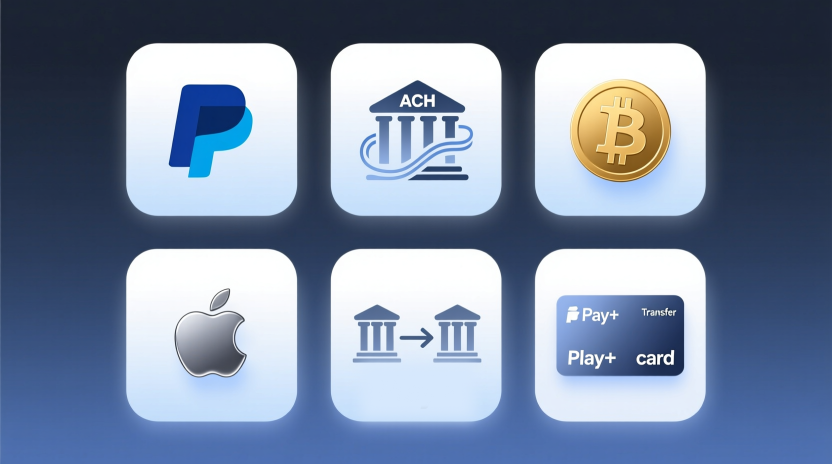
When credit card frustrations mount, alternative payment methods start looking attractive. PayPal has emerged as the smoothest option, accepted by most major sportsbooks with instant processing and no fees. The ability to link multiple funding sources provides flexibility, and PayPal’s buyer protection adds a security layer. The main drawback is PayPal’s ability to freeze accounts they suspect of violating terms of service.
Bank transfers (ACH) offer the most straightforward path for larger deposits. No fees, high limits, and direct connection between your bank and sportsbook. The downside is speed – deposits take 2-3 business days, making them useless for time-sensitive betting opportunities. I maintain ACH as my primary funding method but keep alternatives for urgent situations.
Cryptocurrency has transformed from novelty to necessity for many serious bettors. Bitcoin deposits process within an hour, avoid traditional banking entirely, and often earn deposit bonuses. The volatility risk is real – I’ve seen deposits lose 10% value while waiting for blockchain confirmation. But for bettors facing constant credit card restrictions, crypto provides reliable access.
Emerging payment methods worth watching:
- Venmo integration (limited but growing)
- Apple Pay/Google Pay (instant, sometimes avoids gambling blocks)
- Klarna and other buy-now-pay-later services (currently prohibited but lobbying for access)
- Central Bank Digital Currencies (future possibility)
Wire transfers remain the high-roller option. Minimum deposits often start at $500, but maximums can reach $25,000 or higher. The fees (usually $25-50) seem steep for small deposits but become negligible for large transactions. Processing takes 1-2 business days, and the irreversible nature provides both security and risk.
The Play+ card ecosystem deserves special attention. Initially dismissed as gimmicky, these sportsbook-specific prepaid cards now offer genuine utility. Fund them with credit cards (sometimes avoiding cash advance coding), then transfer instantly to your betting account. Withdrawals to Play+ process within hours, and you can use the card for purchases or ATM withdrawals. It’s an elegant solution to the deposit-withdrawal asymmetry problem.
Future of Credit Card Betting
The credit card betting landscape will transform dramatically in the next five years. Open banking regulations, already implemented in Europe, are coming to America. This will enable direct account-to-account transfers that bypass credit cards entirely while maintaining their convenience. Imagine authorizing instant transfers from your checking account with the same ease as current credit card deposits.
Regulatory harmonization seems inevitable as interstate compacts expand. States are recognizing that different payment rules create confusion and limit market growth. I expect standardized payment regulations across compact states within three years, though holdout states will maintain restrictions. Federal legislation remains unlikely, but interstate cooperation will achieve similar results.
Financial institutions are developing gambling-specific products. Several banks are testing “betting cards” that segregate gambling transactions from regular spending. These cards would offer controlled limits, spending analytics, and potentially even rewards for responsible gambling. It’s a recognition that prohibition failed and management makes more sense.
The rise of artificial intelligence in fraud detection will reduce false declines that frustrate legitimate bettors. Current systems flag too many legitimate transactions while missing actual fraud. Next-generation AI will recognize individual betting patterns, reducing friction for regular bettors while catching actual fraudulent activity. This should make credit card deposits more reliable within two years.
Digital currencies issued by central banks will revolutionize betting payments. These combine cryptocurrency’s efficiency with traditional currency’s stability. China’s digital yuan already facilitates betting transactions in Macau. When the Federal Reserve launches a digital dollar, expect sportsbooks to integrate it immediately.
The credit card industry itself is evolving. Virtual card numbers, already available from some issuers, will become standard. Generate a unique number for each sportsbook, set spending limits, and revoke access instantly if problems arise. This granular control will make credit card betting safer and more manageable.
Discover important player card records.
Credit Card Betting Sites: How to Choose the Right Sportsbook and Payment Method
Credit card betting remains simultaneously the most convenient and most complicated payment method for US sports bettors. The instant deposits and widespread acceptance make credit cards attractive, but fees, restrictions, and regulatory uncertainty create ongoing challenges. Success requires understanding not just which sportsbooks accept credit cards, but how the entire payment ecosystem operates.
My approach has evolved from fighting the system to working within it. I maintain accounts at multiple sportsbooks to access the best credit card processing. A dedicated gambling credit card isolates transactions and simplifies tracking. Alternative payment methods provide backup when credit cards fail. This multi-layered strategy ensures I can always fund accounts when opportunities arise.
The key is finding what works for your specific situation. High-volume bettors might find credit card fees prohibitive and shift to bank transfers. Casual bettors might accept fees for convenience. Privacy-focused bettors might embrace cryptocurrency despite volatility. There’s no universal best option, only the best option for your circumstances.
Education remains crucial as this landscape evolves. Regulations change, banks adjust policies, and sportsbooks modify their processing. Staying informed through betting forums, sportsbook announcements, and banking communications helps avoid surprises. The bettor who deposited easily yesterday might face restrictions today without warning.
Remember that credit card betting is a tool, not a necessity. If fees, restrictions, or security concerns outweigh convenience, alternatives exist. The goal is sustainable, profitable betting, not fighting payment systems. Sometimes the smartest move is abandoning credit cards entirely for methods that better suit your needs.
The future promises improvements, but challenges will persist. As betting becomes more mainstream, financial services will adapt to serve this market better. Until then, success requires flexibility, patience, and willingness to navigate an imperfect system. Those who master the complexities of credit card betting gain an edge through reliable funding access when opportunities arise.
Top experts usually highly recommend card bet.
