

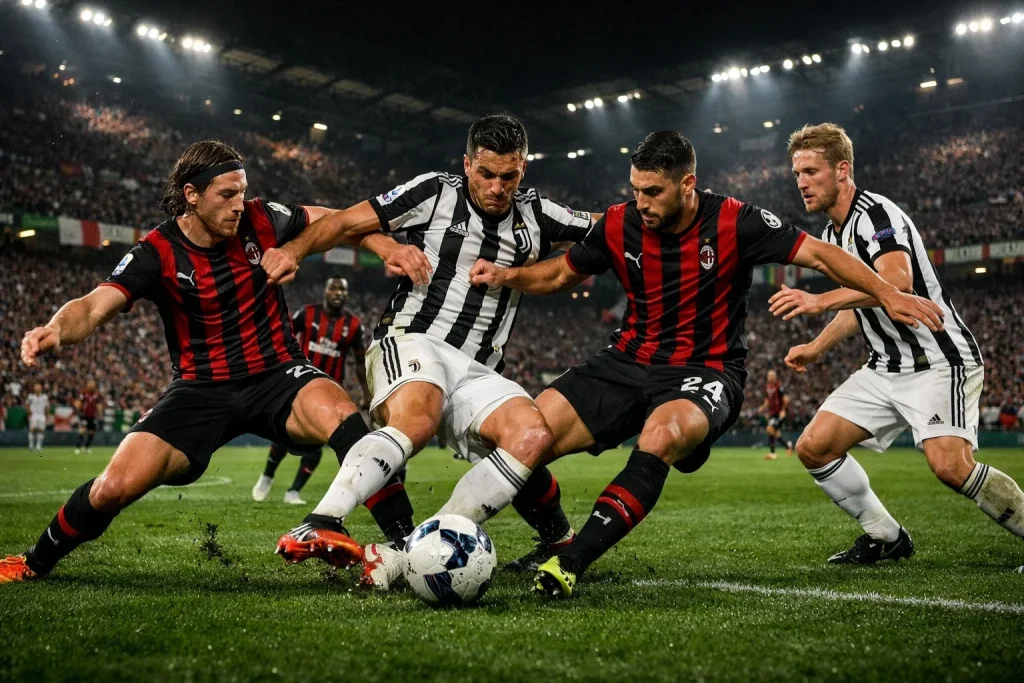
Italian football’s tactical sophistication extends to how teams accumulate and avoid cards, creating a unique disciplinary landscape for bettors to navigate. Serie A matches feature deliberate tactical fouling, strict refereeing standards, and emotional derbies that combine to produce card counts among Europe’s highest. Understanding the Italian approach to discipline—where fouls serve strategic purposes rather than representing mere aggression—unlocks betting opportunities that pure statistical analysis might miss.
The catenaccio tradition, though evolved from its original form, still influences how Italian teams think about defensive discipline. Modern Italian football values controlled defensive fouls that prevent dangerous situations, accepting yellow cards as acceptable costs for maintaining defensive structure. This calculated approach means cards accumulate predictably based on tactical situations rather than emotional volatility. Teams trailing late will commit tactical fouls to slow pace; teams protecting leads will foul to waste time and break rhythm. Understanding these patterns helps predict when card accumulation will accelerate.
Serie A referees operate under directives that produce strict enforcement compared to some other major leagues. Italian officials show little tolerance for dissent, simulation, or time-wasting—behaviours that might receive warnings elsewhere often bring immediate yellow cards in Italy. This strict baseline means even relatively calm matches produce meaningful card counts, while heated fixtures can generate booking points totals that would seem extreme in other leagues.
Team Archetypes and Card Profiles
Italian teams fall into recognisable categories based on how they generate and concede cards. Reactive defenders—teams that sit deep, absorb pressure, and counter—commit fouls during defensive phases and transitions, accumulating cards through necessity rather than aggression. These teams often face lopsided card distributions, receiving significantly more bookings than their opponents in matches against possession-dominant sides. Backing their team cards over when facing elite opponents represents a reliable angle.
Structured pressers like Atalanta or Lazio employ zone-based pressing that produces tactical fouls when pressing traps fail. These teams accumulate moderate card counts through controlled aggression rather than desperation, with cards distributed across the squad rather than concentrated among defenders. Their card patterns are more consistent match-to-match than reactive defenders, making them useful for total cards betting but less attractive for team-specific angles.
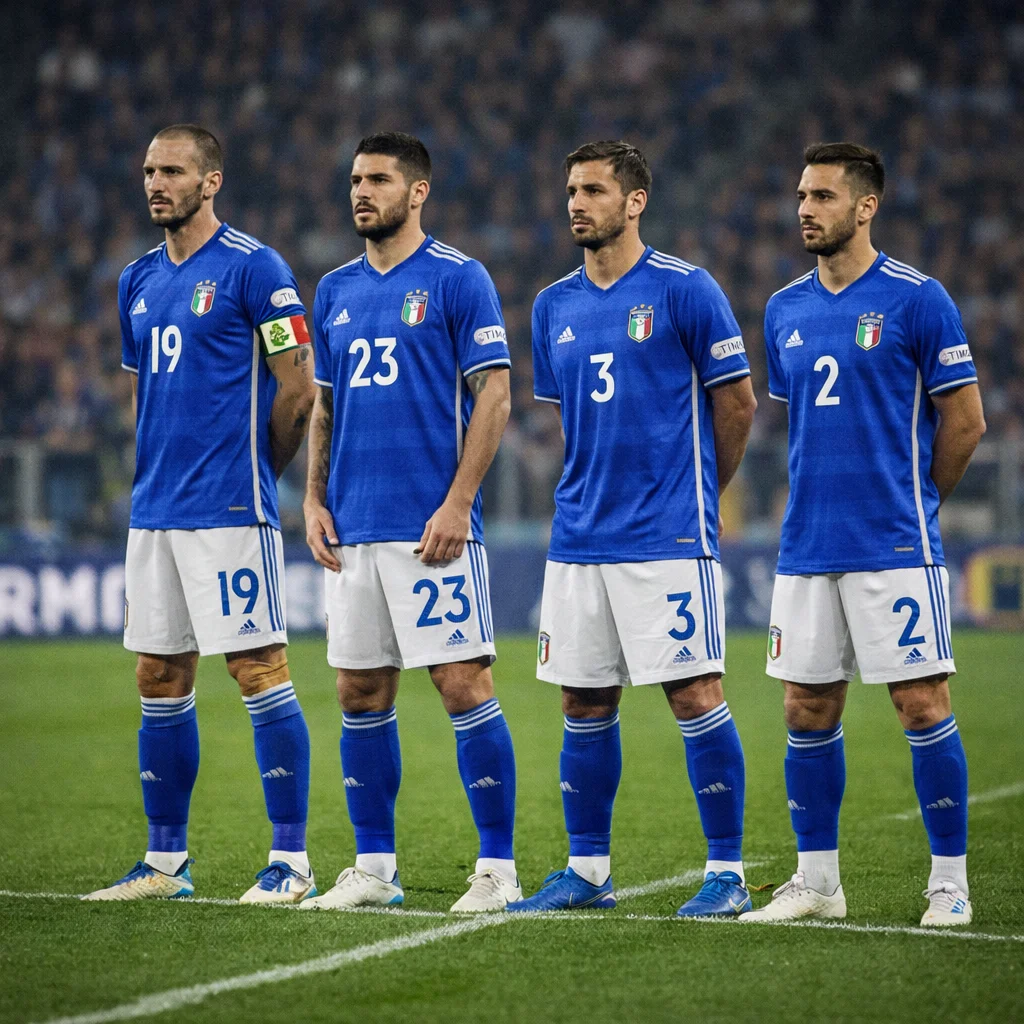
Ball controllers—Inter, Milan, Fiorentina in possession-heavy phases—commit fewer fouls because they dominate territory and rarely need to foul defensively. Their card counts often land under market expectations, creating unders value when they face less physical opponents. However, when ball controllers meet each other or face structured pressers, card dynamics change as the match becomes more contested. Identifying when ball controllers will face atypical opposition helps find value on both sides of card markets.
Italian Derby Intensity
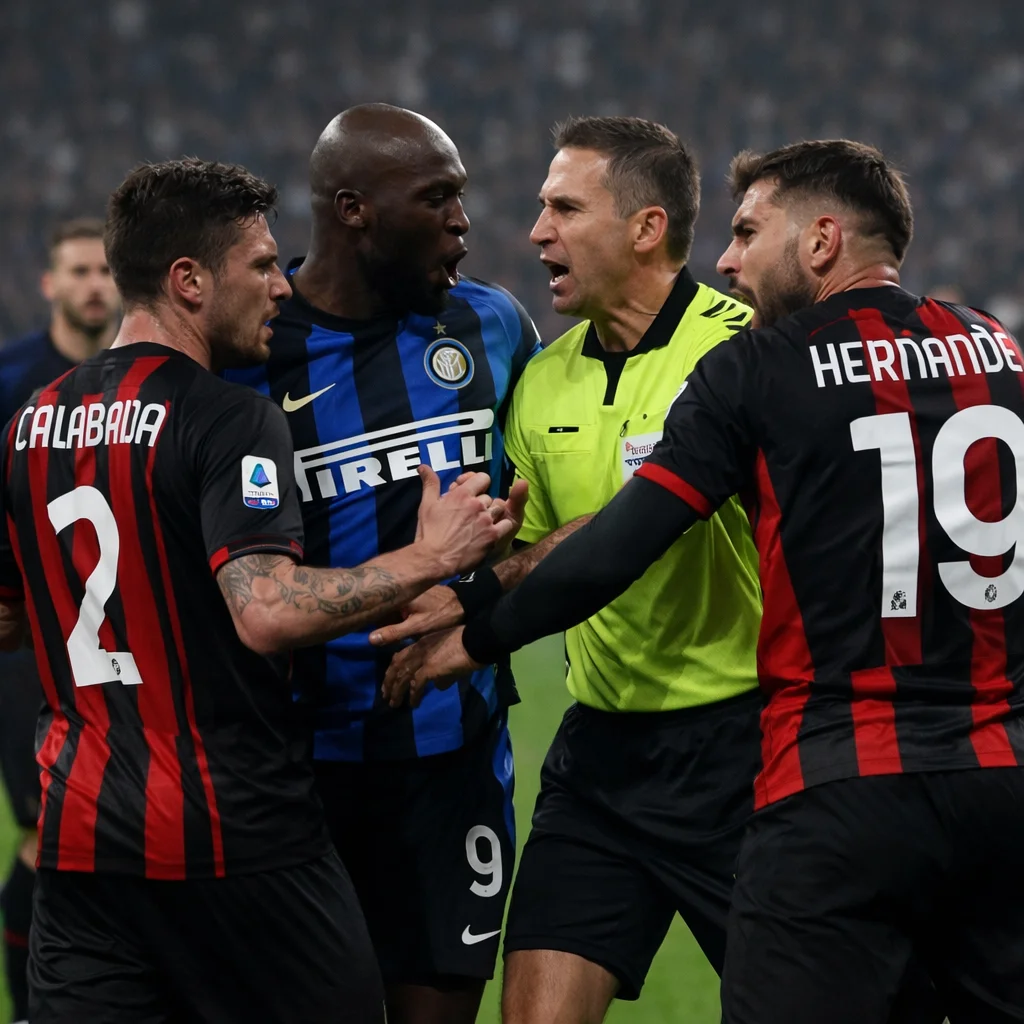
The Derby della Madonnina between AC Milan and Inter represents Serie A’s most card-intensive fixture, with historical averages showing elevated bookings regardless of either team’s form or table position. Both clubs bring passionate support, both squads understand the significance, and referees anticipate intensity by establishing authority early. Total cards and booking points markets typically price this fixture accurately, but player-specific and timing-based angles may offer value that efficient total markets don’t.
The Derby della Capitale between Roma and Lazio generates similar intensity with added political and cultural dimensions that amplify emotional stakes. These fixtures produce card patterns that transcend normal tactical considerations—players make challenges they’d avoid in routine matches, and referees respond strictly to maintain control. Backing overs on total cards or booking points offers consistent returns when these fixtures appear, though markets usually adjust pricing to reflect historical patterns.
The Derby d’Italia between Juventus and Inter carries enormous prestige even when table positions don’t suggest a direct title fight. The fixture’s status ensures both teams approach with maximum intensity, and card counts reflect this commitment. Northern derbies between teams like Torino and Juventus, or Genoa and Sampdoria, produce elevated cards through local rivalry dynamics that casual bettors might not fully appreciate.
Referee Impact on Serie A Cards
Italian referee variation mirrors patterns seen in La Liga, with some officials averaging well above five cards per match while others sit closer to three. This spread creates substantial betting implications because the difference between a strict and lenient referee can exceed two cards—a gap that significantly affects booking points outcomes. Building profiles on Serie A referees and checking appointments before betting represents essential preparation.
Certain Italian referees have reputations for early cards that establish authority, while others prefer to let matches develop before intervening. This timing difference affects first-half card markets more than match totals, creating specific opportunities when early-card officials handle fixtures. Track not just cards per match but first-card timing to identify which referees create first-half betting value.
Referee-team relationships occasionally matter in Serie A due to historical controversies or patterns that persist across multiple seasons. Some referees consistently show elevated card counts when handling specific clubs, whether due to team playing style, historical incidents, or simple statistical variation. While these patterns shouldn’t override fundamental analysis, they provide supplementary information worth considering when specific pairings appear.
Catch up with new football articles online.
Tactical Contexts That Drive Italian Cards
Match state dramatically affects card accumulation in Italian football because teams adjust tactical fouling based on scoreline and clock. A team trailing by one goal in the final twenty minutes commits more tactical fouls than the same team level at halftime. Italian teams are particularly calculated about this—they’ll accept yellow cards to slow pace when protecting leads and commit fouls to prevent quick restarts when chasing matches. Reading how match state will evolve helps predict when card accumulation will spike.
European fixture congestion affects Serie A card patterns because Italian teams competing in Champions League or Europa League often rotate squads for domestic matches. Fresh legs might play more aggressively, or rotation players might be less disciplined than regular starters. Tracking which teams face European commitments and how they typically respond helps adjust card expectations for domestic fixtures sandwiched around continental matches.
Weather and pitch conditions occasionally affect Italian card counts, particularly in northern stadiums during winter months. Slippery surfaces produce more mistimed challenges and accidental fouls, potentially elevating card counts beyond what team and referee factors would suggest. While weather rarely justifies major betting adjustments, extreme conditions provide marginal input worth noting when analysing specific fixtures.
Building Your Serie A Card Approach
Pre-match preparation for Italian fixtures should establish baseline expectations adjusted for Serie A’s elevated card culture. Italian matches produce more cards than Premier League equivalents, so apply appropriate calibration before layering team and referee factors. The disciplinary profile of Italian football means even matches between disciplined sides produce meaningful card counts.
Live betting in Serie A benefits from understanding the tactical flexibility Italian teams employ. Early match patterns don’t always predict full-match outcomes because teams adjust approaches based on score and time remaining. A clean first half might precede a card-heavy second half as trailing teams become more desperate, or early cards might establish sufficient authority that subsequent fouls receive warnings rather than bookings. Read match flow rather than simply extrapolating early trends.
Seasonal timing affects Serie A card betting because Italian leagues feature intense late-season drama with multiple teams involved in relegation and European qualification battles. These stakes-heavy matches produce elevated cards as teams fight for points that determine their competitive future. May and early June fixtures often generate card counts above season averages, creating value for bettors who recognise this temporal pattern.
Serie A rewards card bettors who understand Italian football’s tactical approach to discipline. Teams foul strategically, referees enforce strictly, and derbies produce reliable intensity. By calibrating expectations to Italian norms and tracking the factors that drive Serie A’s distinctive card patterns, you can identify consistent value in one of Europe’s most card-heavy major leagues.
Bet with full pure confidence on card bet.
