

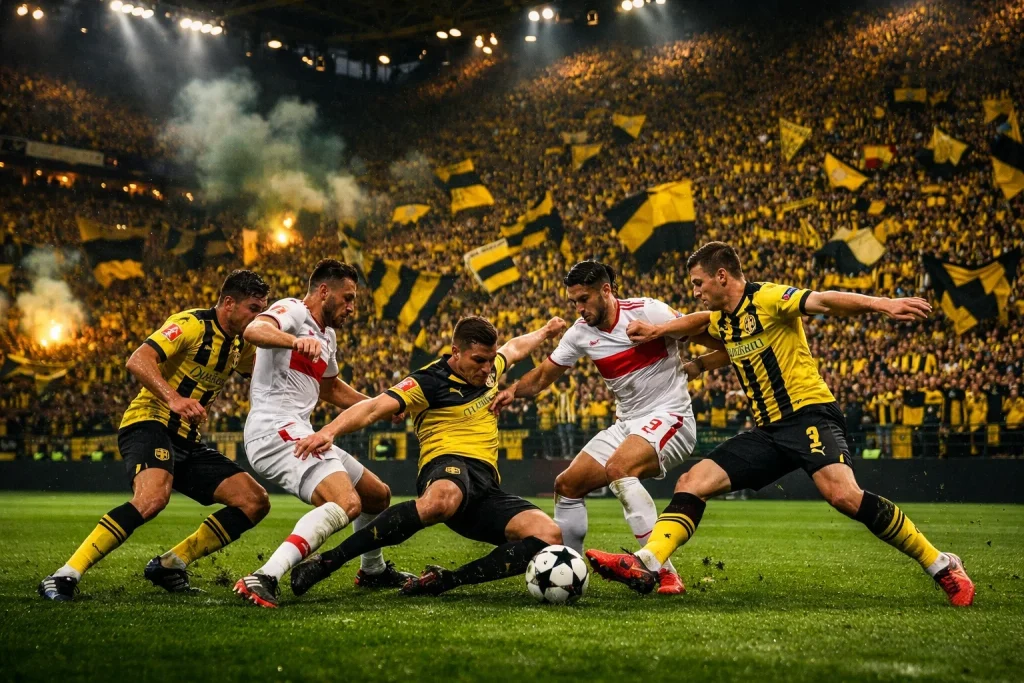
German football occupies a middle ground in European card statistics, producing fewer bookings than Spanish or Italian leagues but more than some other major competitions. The Bundesliga’s physical playing style, combined with refereeing that allows robust challenges, creates a distinctive card betting environment. Understanding German football’s approach to discipline—where physicality is tolerated but cynicism is punished—helps identify value in a league that casual bettors might misjudge.
The Bundesliga philosophy permits aggressive defending and forceful challenges that would draw cards in other leagues. German referees allow shoulder-to-shoulder contact, fair challenges from behind, and physical aerial duels that stricter officials elsewhere would penalise. This tolerance for physicality means fewer cards emerge from routine defensive actions, lowering baseline expectations. However, when challenges cross into recklessness or when tactical fouling becomes cynical, German officials respond firmly. The result is moderate overall card counts with clear distinctions between fair physicality and unacceptable aggression.
German football culture values direct, honest play over the tactical fouling common in Spain or Italy. While Bundesliga players certainly commit fouls, the deliberate, cynical foul to break up counter-attacks is less culturally accepted and more likely to draw immediate yellow cards when it occurs. This means German card counts come more from genuine contests gone wrong than from calculated tactical decisions, creating different patterns than in southern European leagues.
Physical Style and Card Implications
The Bundesliga’s physical intensity produces cards through different mechanisms than other leagues. Aerial duels, robust challenges, and committed tackles generate fouls when timing or execution fails, but these challenges are part of accepted German football culture rather than violations of it. Referees distinguish between legitimate physical contests and reckless endangerment, showing cards primarily for the latter. This distinction means that matches can be highly physical without accumulating many cards.
Pressing intensity in German football exceeds most other major leagues, with teams routinely employing high-energy approaches that require constant challenging and recovering. This pressing culture produces fouls when players mis-time challenges or when opponents evade the press, but German referees calibrate their responses to this intensity. A foul that would draw a card in a lower-intensity match might receive only a free kick in a high-tempo Bundesliga fixture where such challenges represent the baseline rather than the exception.
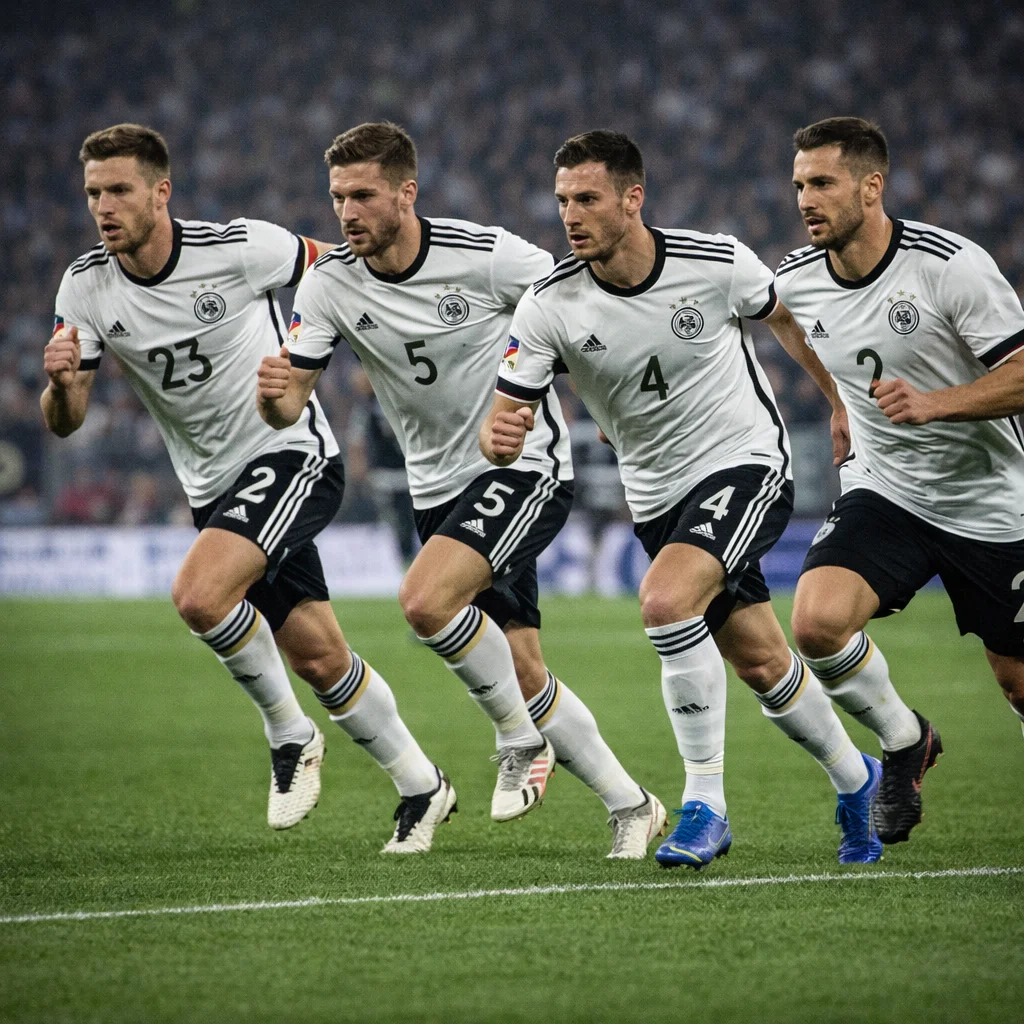
Counter-pressing—the immediate attempt to regain possession after losing the ball—creates foul situations in transition that are distinctively German. Players making urgent recovery challenges sometimes catch opponents late, producing bookings that accumulate across matches featuring counter-pressing teams. Clubs known for this approach show elevated card counts in specific game states rather than throughout matches.
Team-Specific Card Patterns
High-pressing teams like Leverkusen, Leipzig, and Dortmund during certain phases generate cards through the intensity of their approach. These clubs commit fouls when pressing traps fail or when transition defending requires urgent challenges. Their card profiles show concentration in specific match phases—when pressing is most active—rather than even distribution. Understanding when these teams press hardest helps predict card timing and informs in-play betting decisions.
Defensive-minded Bundesliga teams, particularly those fighting relegation, accumulate cards through the desperation of their situation rather than tactical design. Extended periods without possession force these teams into repeated challenges, and exhaustion and frustration eventually produce bookings. Their card counts often rise as matches progress, with second-half accumulation exceeding first-half patterns. Late-match overs can offer value when these teams face dominant opponents.
Bayern Munich represents a unique case because their domestic dominance means they rarely face extended defensive pressure. When Bayern control matches—which happens frequently—card counts for both teams remain low because Bayern maintain possession and opponents can’t establish attacking rhythm. However, when Bayern face genuinely competitive opposition, card dynamics change as real contests produce real fouls. Bayern’s card profile varies more based on opposition quality than their own approach.
Focus entirely on la liga choices.
German Referee Characteristics
Bundesliga referees show notable variation in card frequency despite operating under common refereeing guidelines. Some German officials average above four cards per match while others sit below three, a significant spread that affects betting outcomes. Building profiles on individual Bundesliga referees and checking mid-week appointments provides the same edge as in other leagues, though the baseline expectations differ from Spanish or Italian officials.
German referees generally show cards later in matches than their southern European counterparts, preferring early verbal management before formal cautions. This tendency affects first-half card markets, making unders more attractive than equivalent Spanish or Italian fixtures. However, the same referee might become stricter as matches progress if early verbal warnings go unheeded, producing second-half card acceleration. Track not just total cards but timing distribution for German officials.
Consistency characterises German refereeing more than some other leagues, with officials applying similar standards regardless of fixture prestige or team status. The Bundesliga lacks some of the referee-team relationship dynamics that affect betting in other leagues. This consistency makes German card betting somewhat more predictable once you understand individual referee tendencies—fewer surprises emerge from unexpected referee behaviour in big matches.
Derby Matches and Rivalry Intensity
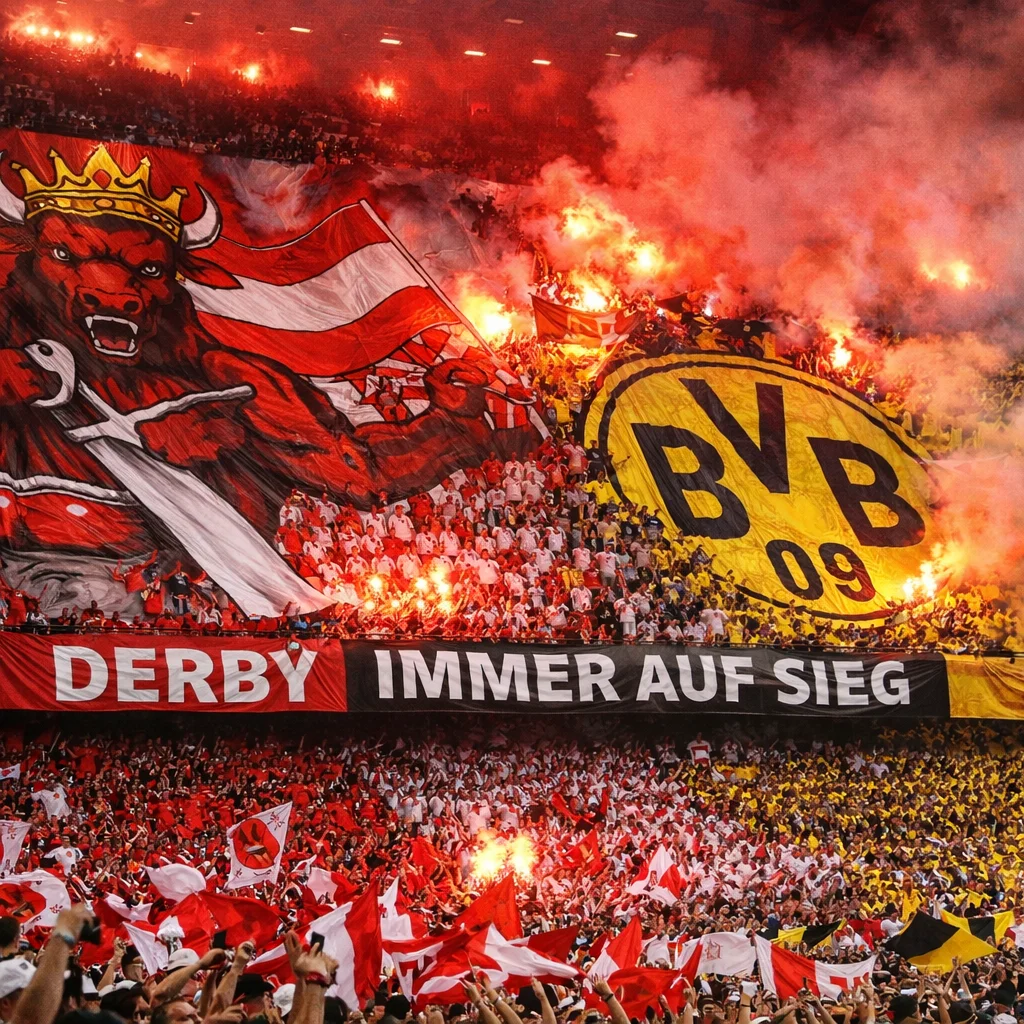
The Revierderby between Dortmund and Schalke historically represented German football’s most intense rivalry, though Schalke’s relegation has reduced this fixture’s prominence. When both teams occupy the top flight together, card counts significantly exceed either team’s baseline. Other derbies—the Nordderby between Hamburg and Bremen when both are in the top flight, or Berlin derbies involving Union and Hertha—produce similar intensity-driven card elevations.
Bayern Munich fixtures against traditional rivals like Dortmund carry national significance that elevates intensity and card potential. These matches attract massive attention and both teams approach with heightened commitment that sometimes translates to increased fouling. However, Bayern’s quality advantage often means they control matches sufficiently to suppress overall card counts despite the rivalry context.
Promotion and relegation battles create card-generating intensity that transcends traditional rivalries. Late-season matches between teams fighting survival or chasing European places produce desperate fouling and emotional responses that inflate card counts. These situational factors can matter more than fixture history for predicting German card outcomes.
Practical Bundesliga Card Strategy
Baseline expectations for Bundesliga fixtures should sit below Spanish or Italian equivalents but remain moderate rather than low. German matches produce meaningful card counts despite toleration for physicality—the physical nature of play generates fouls even when referees allow robust challenges. Avoid assuming German matches will be card-free simply because fewer cards emerge from tactical fouling.
Match tempo and pressing intensity provide important context for German card betting. High-tempo matches between pressing teams generate more fouls and eventually more cards than slower, more controlled fixtures. Assess expected match tempo before betting—a fixture between two high-pressing teams projects differently than one featuring a ball-dominant side against a deep-defending opponent.
Weather and pitch conditions affect Bundesliga card betting more than in some leagues because German football continues through winter without a break. Cold weather, slippery pitches, and heavy ground produce more mistimed challenges and accidental fouls. Winter Bundesliga fixtures sometimes generate elevated cards for these environmental reasons rather than intentional aggression. Factor seasonal conditions into your German card predictions.
The Bundesliga offers card betting opportunities for those who understand German football’s distinctive culture. Physical but fair play, consistent refereeing, and intensity-driven card patterns create a predictable environment once you calibrate expectations appropriately. Master the German approach to discipline, and you’ll find consistent value in this major European league.
Great weekly profits wait at card bet.
