


Spanish football generates more cards per match than most European competitions, making La Liga one of the most attractive leagues for card betting worldwide. The combination of tactical fouling culture, strict refereeing standards, and passionate derby matches creates an environment where booking points accumulate reliably. Understanding why La Liga produces elevated card counts, which teams and fixtures offer the best opportunities, and how Spanish officiating differs from other leagues transforms this disciplinary intensity into betting advantage.
The cultural context matters because Spanish football developed differently from English or German traditions. Tactical fouling—the deliberate foul to stop counter-attacks or break rhythm—is accepted as a legitimate strategic tool in Spain rather than viewed as purely unsporting. Players commit these fouls knowing they’ll likely receive yellow cards, but teams accept this trade-off because controlled fouls in midfield beat uncontrolled chances at goal. This cultural acceptance of tactical fouling inflates La Liga card counts above leagues where such approaches face greater stigma.
La Liga referees respond to this environment with strict enforcement that compounds the card-generating effect. Spanish officials show less tolerance for dissent, time-wasting, and simulation than their counterparts in some other leagues. They book early and consistently, establishing authority that prevents matches from descending into chaos but also produces elevated yellow card rates. The interaction between player willingness to foul tactically and referee willingness to book creates La Liga’s distinctive disciplinary profile.
League-Level Card Patterns
La Liga’s card-per-match average consistently exceeds Premier League figures, typically by 15-25% depending on season. This differential creates different baseline expectations for Spanish fixtures that bettors must internalise. A match projected to produce 40 booking points in England might reasonably project to 48-50 points in Spain before considering specific team or referee factors. Calibrating expectations to league norms prevents systematic under-estimation of Spanish card totals.
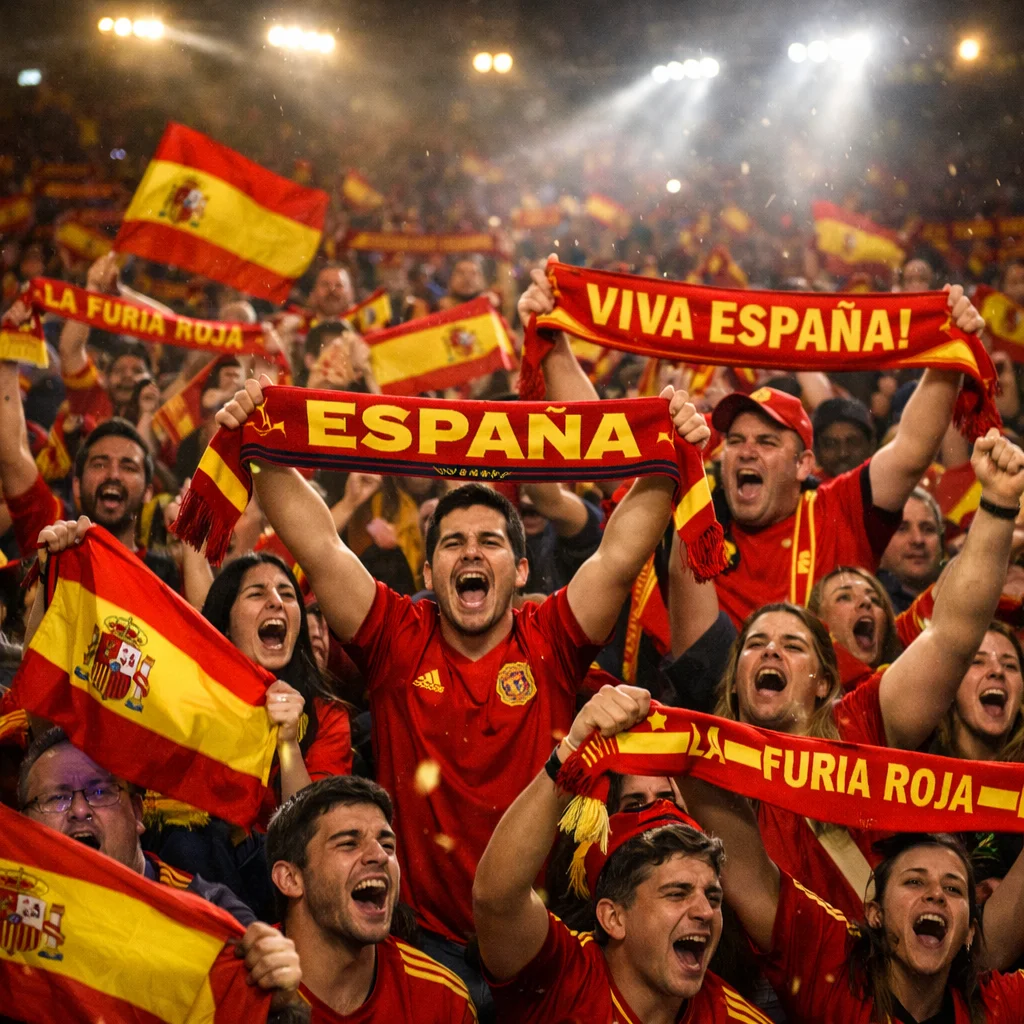
Home and away card distribution in La Liga follows patterns seen elsewhere but with enhanced magnitude. Away teams receive more cards than home sides, but the gap appears larger in Spain where hostile atmospheres and crowd-influenced officiating produce starker venue effects. When betting on team cards in La Liga, weight home advantage more heavily than you might for English or German fixtures. The passionate Spanish crowds genuinely influence referee perception in ways that affect card distribution.
Seasonal card patterns show some variation based on match context and stakes. Early-season matches often produce moderate card counts as teams find rhythm and referees establish relationships with players. Mid-season matches featuring direct rivals or teams in similar table positions generate elevated cards as stakes intensify. Late-season fixtures involving relegation battles or title races produce peak card counts as desperation drives tactical fouling and referee vigilance increases.
High-Card Teams and Playing Styles
Certain La Liga clubs consistently rank among Europe’s most-carded teams due to playing styles that inherently generate bookings. Teams employing aggressive pressing, physical defending, and tactical fouling accumulate cards at rates that create reliable overs opportunities. Identifying these clubs and tracking their disciplinary statistics provides consistent betting angles that persist across seasons because the underlying tactical approaches rarely change dramatically.
Defensive-minded teams that absorb pressure and counter-attack commit fouls at elevated rates because they spend extended periods without possession, chasing the ball and making challenges. When these teams face possession-dominant opponents, the card differential becomes pronounced—the defensive team accumulates bookings while the ball-dominant side stays relatively clean. These matchup dynamics create team-cards betting opportunities when lopsided tactical matchups appear.
Pressing teams generate different card patterns, accumulating bookings through high-intensity challenges in the opponent’s half rather than desperate defensive fouls. Teams that press triggers aggressively force hurried clearances but also commit fouls when pressing actions go wrong. The card profile differs from defensive teams—more even distribution across the pitch, more cards in the first half when energy is highest—but the total accumulation often matches or exceeds defensive counterparts.
Spanish Derby Matches and Rivalries
El Clásico between Barcelona and Real Madrid represents card betting’s most predictable elevated-card fixture because global attention, historical rivalry, and match stakes combine every time these teams meet. Average card counts for El Clásico significantly exceed both teams’ standard averages, and booking points markets typically price this elevation accurately. Value in El Clásico comes from specific angles—player cards for known rivals within the fixture, first-half cards when tension peaks—rather than simple overs on totals that markets price efficiently.
Regional derbies throughout Spain produce similar card elevations with less market attention. The Seville derby between Betis and Sevilla, the Madrid derby between Real and Atlético, and Catalan confrontations between Barcelona and Espanyol all generate cards above baseline expectations. These fixtures receive less global coverage than El Clásico, meaning market pricing might not fully reflect the intensity that local knowledge would anticipate. Spanish football specialists can identify value in these fixtures that casual bettors overlook.
Basque derbies and rivalries involving Athletic Club, Real Sociedad, and Eibar carry particular intensity due to regional identity factors that amplify competitive stakes beyond table position. These matches often produce surprisingly high card counts even when neither team occupies a particularly significant league position. Cultural context matters for understanding why certain Spanish fixtures run hot regardless of apparent stakes.
Referee Factors in Spanish Card Betting
La Liga referees display notable variation in card frequency despite operating under common guidelines. Some Spanish officials average well above five cards per match while others sit closer to three. This variation creates the same referee-driven betting opportunities seen in other leagues, but with Spanish baseline already elevated. A strict La Liga referee might average 5.5 cards per match—higher than the strictest Premier League officials—making overs even more attractive when such appointments emerge.
Tracking Spanish referee assignments requires attention to mid-week announcements similar to other major leagues. Once appointments emerge, cross-reference against your referee database to identify where strict or lenient officials handling specific fixtures creates value. Spanish referee statistics are widely available through dedicated football statistics sites, making this analysis accessible to bettors willing to invest preparation time.
VAR implementation in La Liga has affected card distribution similarly to other adopting leagues, with red cards for off-ball incidents and penalty-related bookings both increasing. The Spanish approach to VAR tends toward intervention, meaning more reviews and more opportunities for cards to emerge from video analysis. Factor VAR’s presence into your card expectations for La Liga matches, particularly for red card probability and booking points ranges.
Conduct proper betting data analysis.
Practical La Liga Card Betting Strategy

Pre-match analysis for La Liga fixtures should begin with league-adjusted expectations. Take whatever card total your general methodology suggests and add 10-15% to account for Spanish baseline elevation. Then layer specific factors: team playing styles, head-to-head history, referee assignment, and match stakes. This layered approach produces more accurate predictions than simply applying non-Spanish models to La Liga fixtures.
Team news matters for La Liga card betting because Spanish squads often rotate more than English counterparts due to fixture congestion and tactical variation. When key tactical-fouling midfielders or aggressive defenders rest, team card profiles can shift noticeably. Verify starting lineups before finalising La Liga card positions, adjusting expectations if personnel changes affect the players most likely to accumulate bookings.
Live betting in La Liga benefits from understanding how Spanish matches typically flow. Early tactical fouls often produce first-half card clusters that might not continue into the second period at the same rate. Conversely, matches that stay clean early sometimes see second-half card accumulation as fatigue and frustration build. Reading match rhythm helps identify whether early card patterns represent sustainable trends or temporary spikes that will regress.
La Liga offers card betting opportunities that reward those who understand Spanish football’s distinctive disciplinary culture. Higher baseline card rates, predictable derby elevations, and significant referee variation create multiple angles for value identification. Calibrate your expectations to Spanish norms, track the fixtures and referees that consistently produce cards, and you’ll find La Liga among the most profitable leagues for booking points betting.
Master the odds completely with card bet.
